App banner
Mumzworld
Help 24/7
Home/Feeding/Bottle Feeding
DESKTOP-EN-TITLE_FEB242026.jpg
BUNDLES-DYBANNER-DESKTOP-EN_FEB242026.jpg

Filters

Infant Bottle Feeding

(1276)
(863)
(197)
(107)
(60)
(51)

The Ultimate Guide to Infant Bottle Feeding in KSA: Safety, Comfort, and Bonding

Navigating the world of infant bottle feeding in the Kingdom of Saudi Arabia requires a balance of traditional care and modern safety standards. Whether you are in Riyadh, Jeddah, or Dammam, providing your baby with the best nourishment—whether it's expressed breast milk or high-quality infant formula—is a top priority. In KSA, many families combine methods, making it essential to understand the best practices for hygiene, preparation, and bonding. Before we dive into the details, ensure you are fully equipped for your journey with our top-rated essentials. Explore these important categories:

Baby Feeding Essentials

Baby Food & Infant Formula

Electric Breast Pumps & Manual Breast Pumps

Breastfeeding Accessories & Products

Infant and Baby High Chairs & Boosters

Bibs & Burp Cloth

Baby Soothers

Baby Water Bottle

Baby Stroller and Prams

Car Seats & Boosters

Lightweight Strollers

Umbrella Strollers
Double Strollers
Travel Systems
Baby Diaper Bags

Preparing for Safe Infant Bottle Feeding

In the warm climate of Saudi Arabia, hygiene is paramount to prevent infections. The Ministry of Health (MOH) provides clear infant formula preparation guidelines to ensure every bottle is safe.
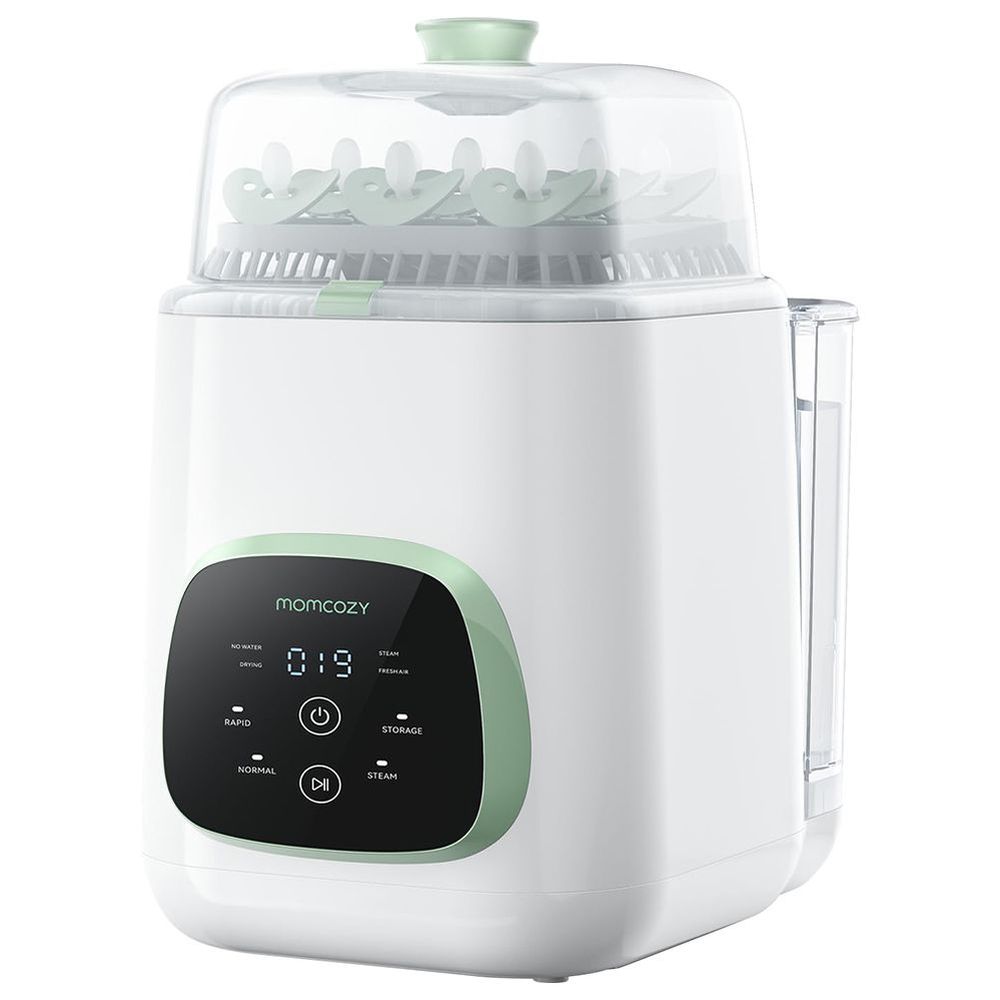
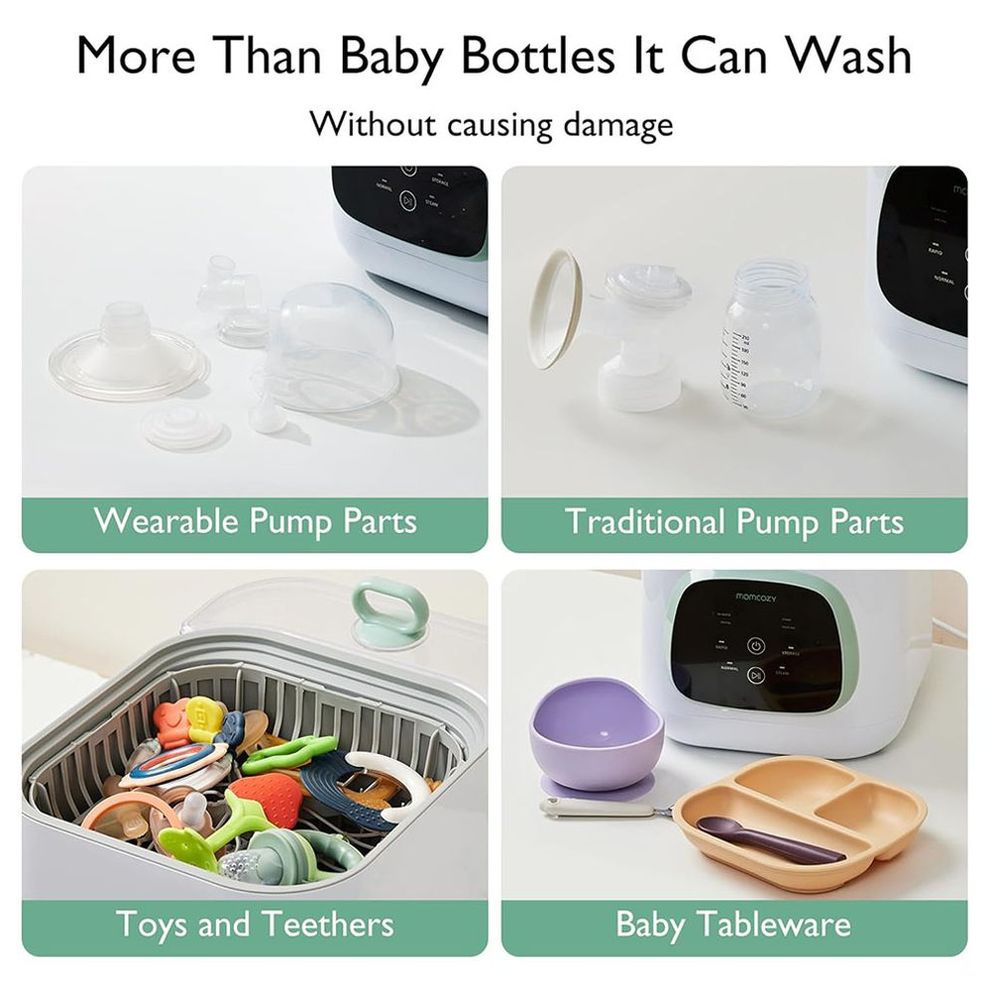
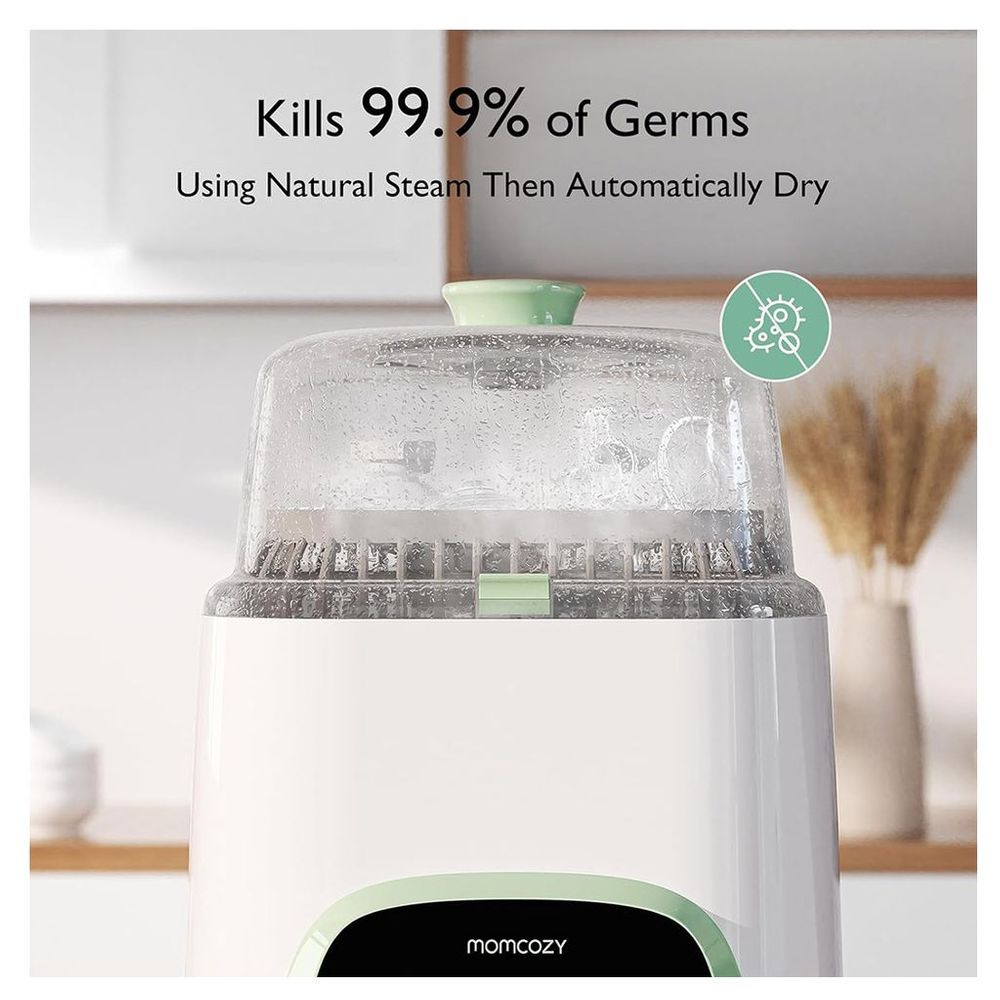
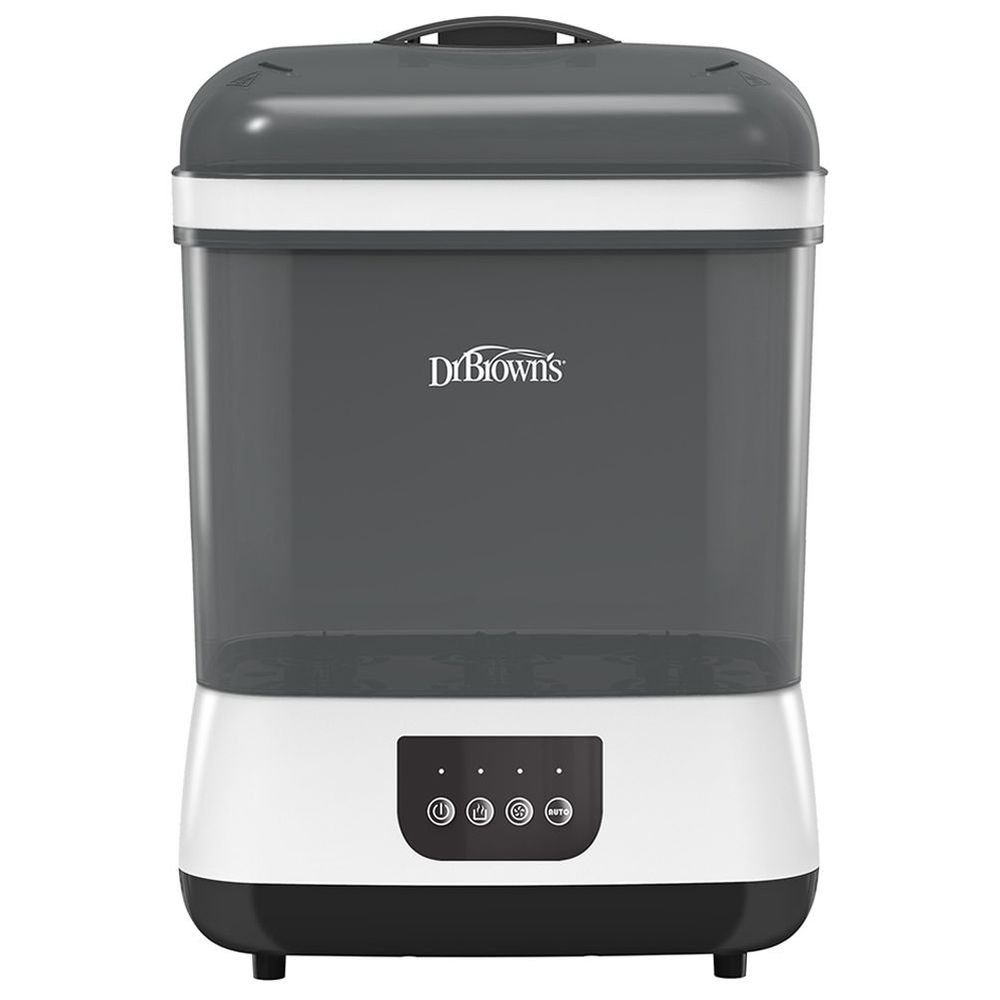
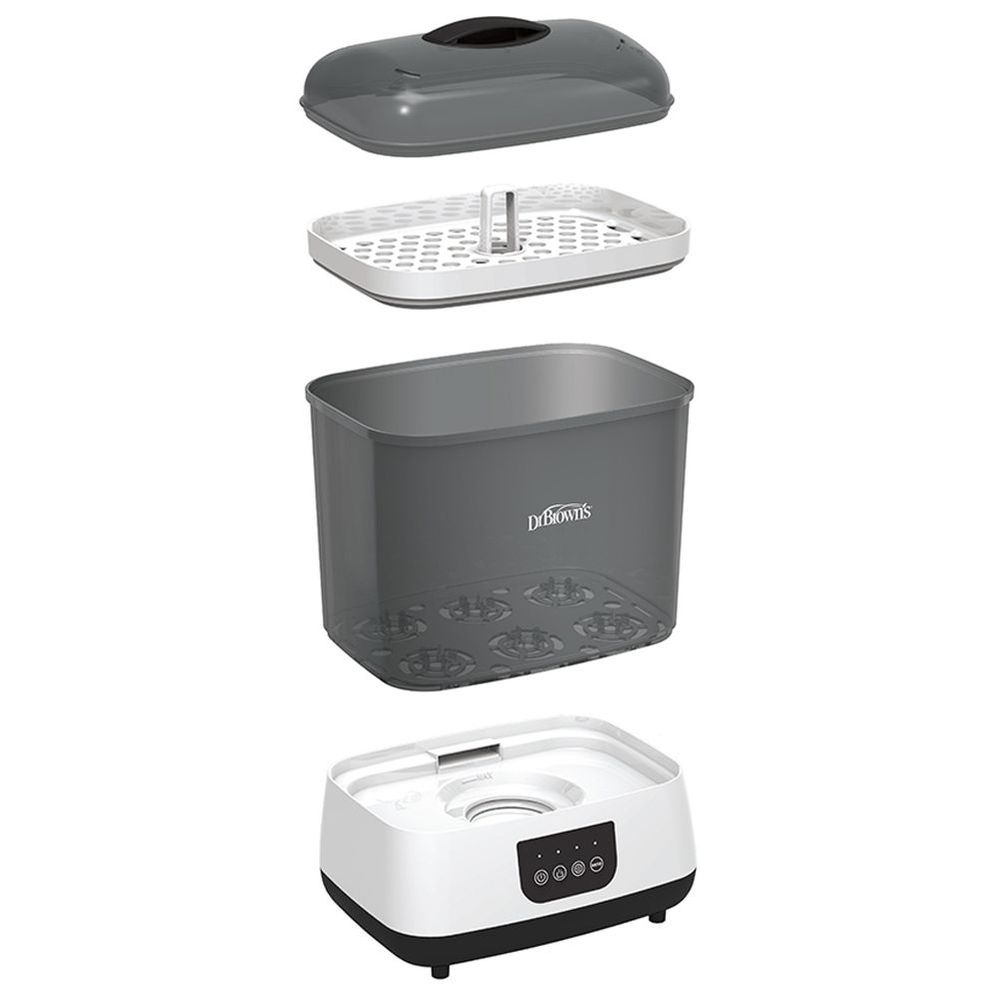
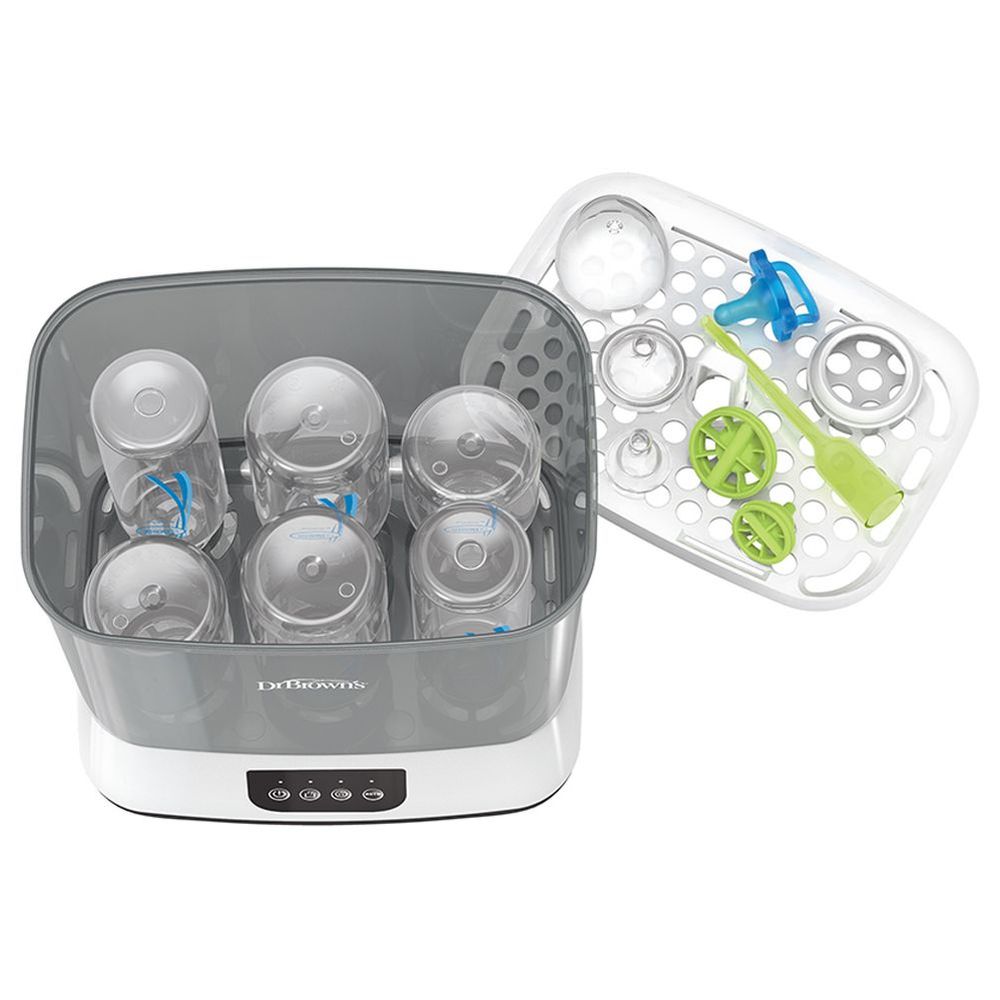
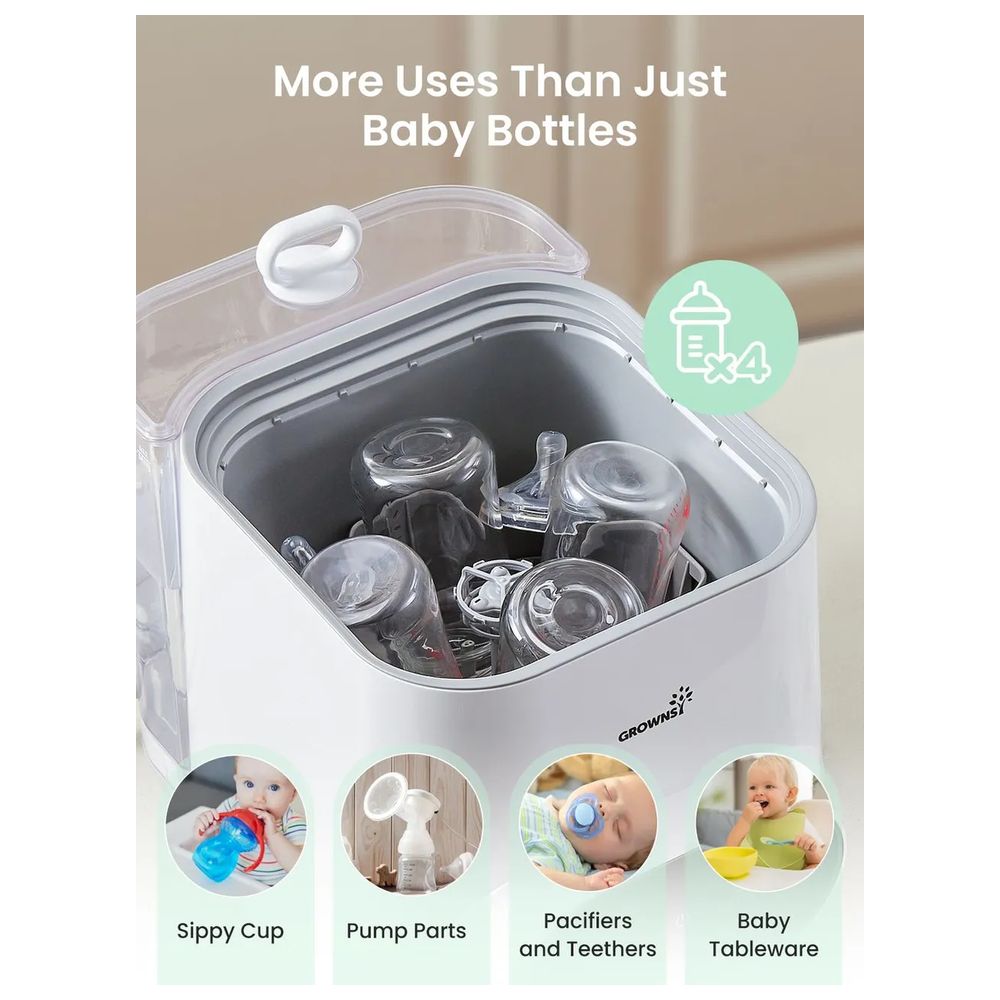
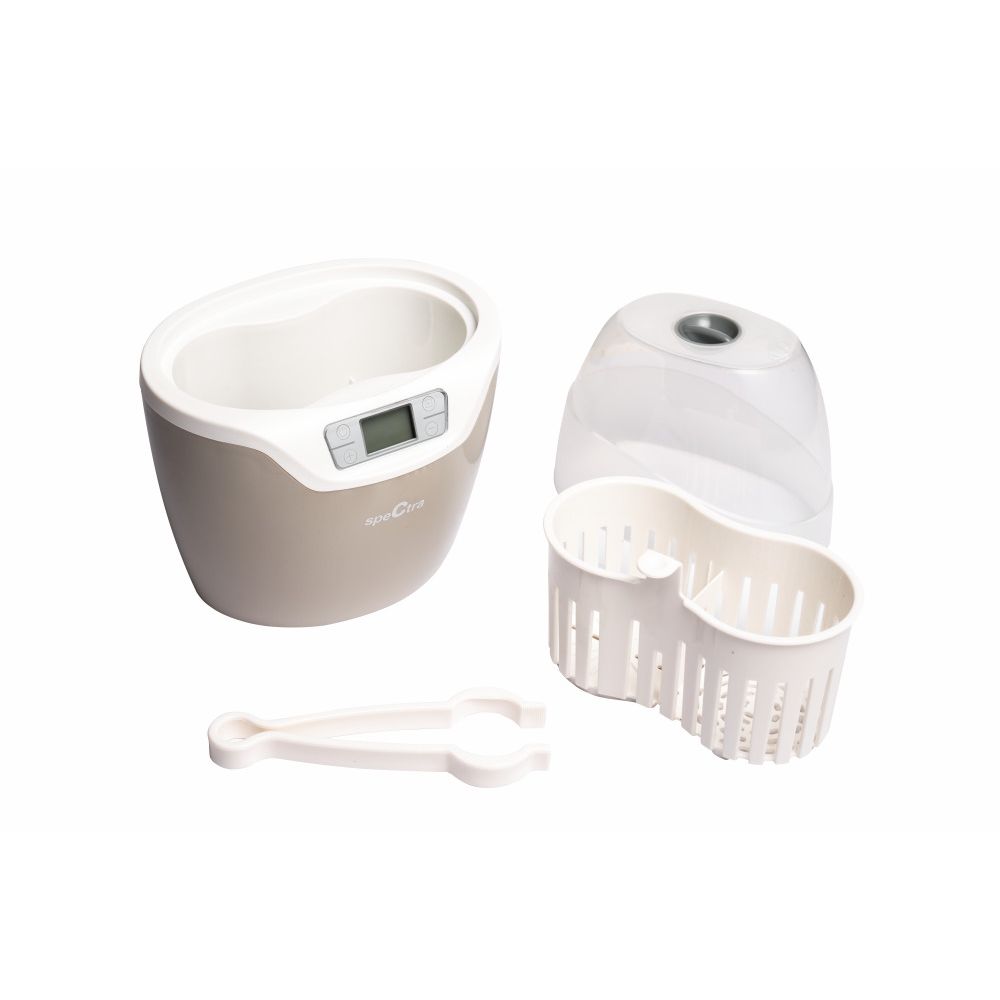
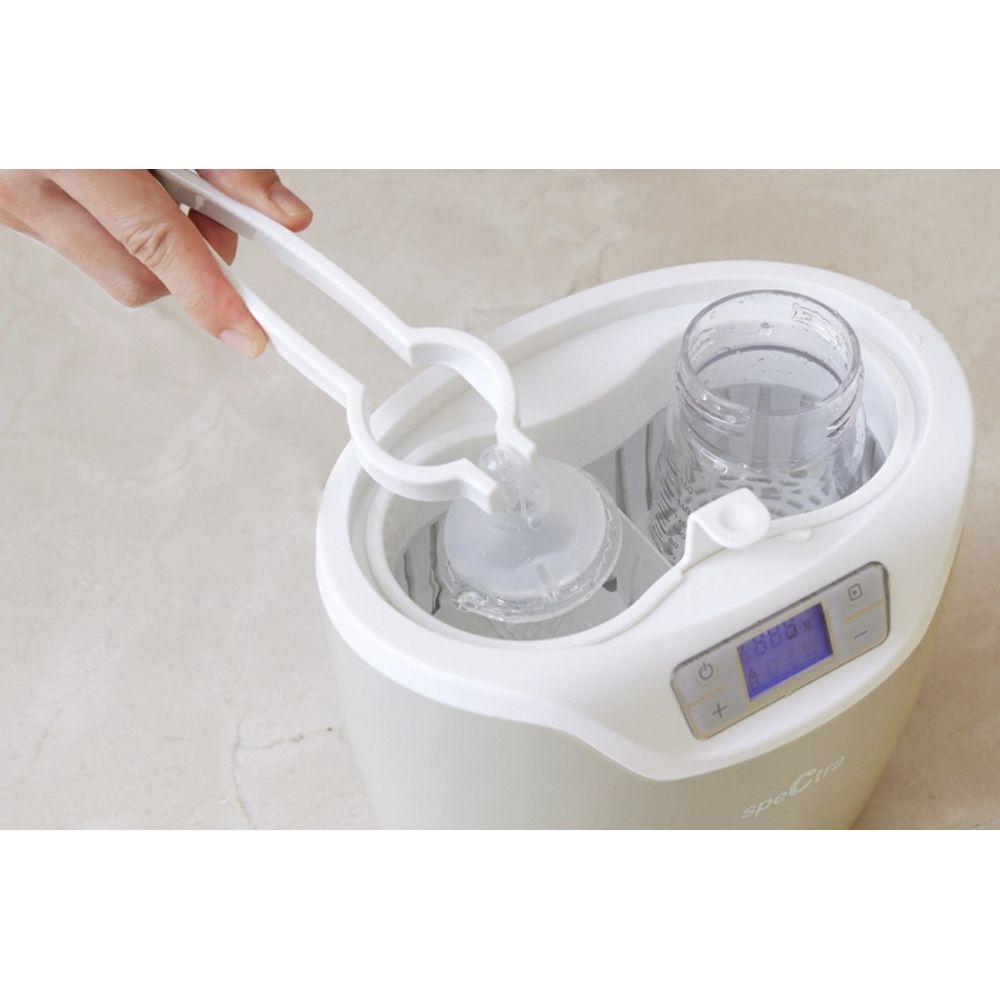
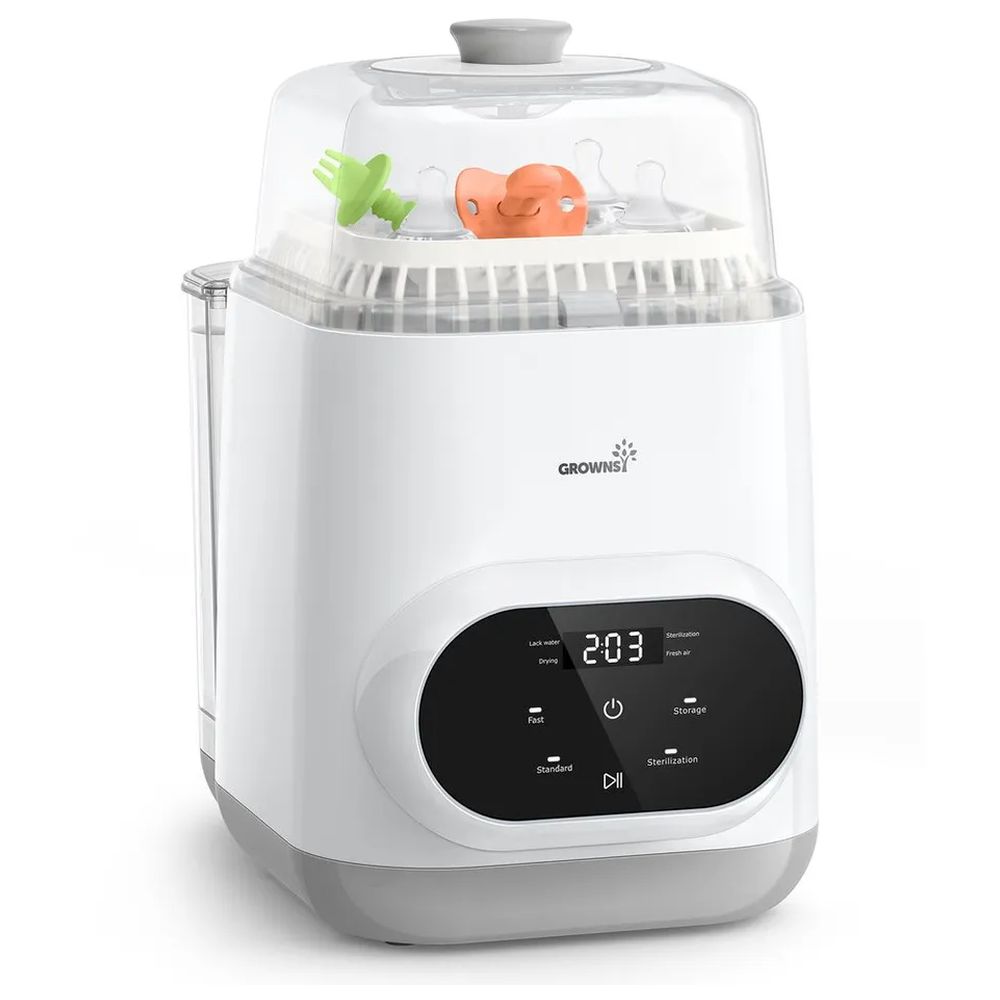
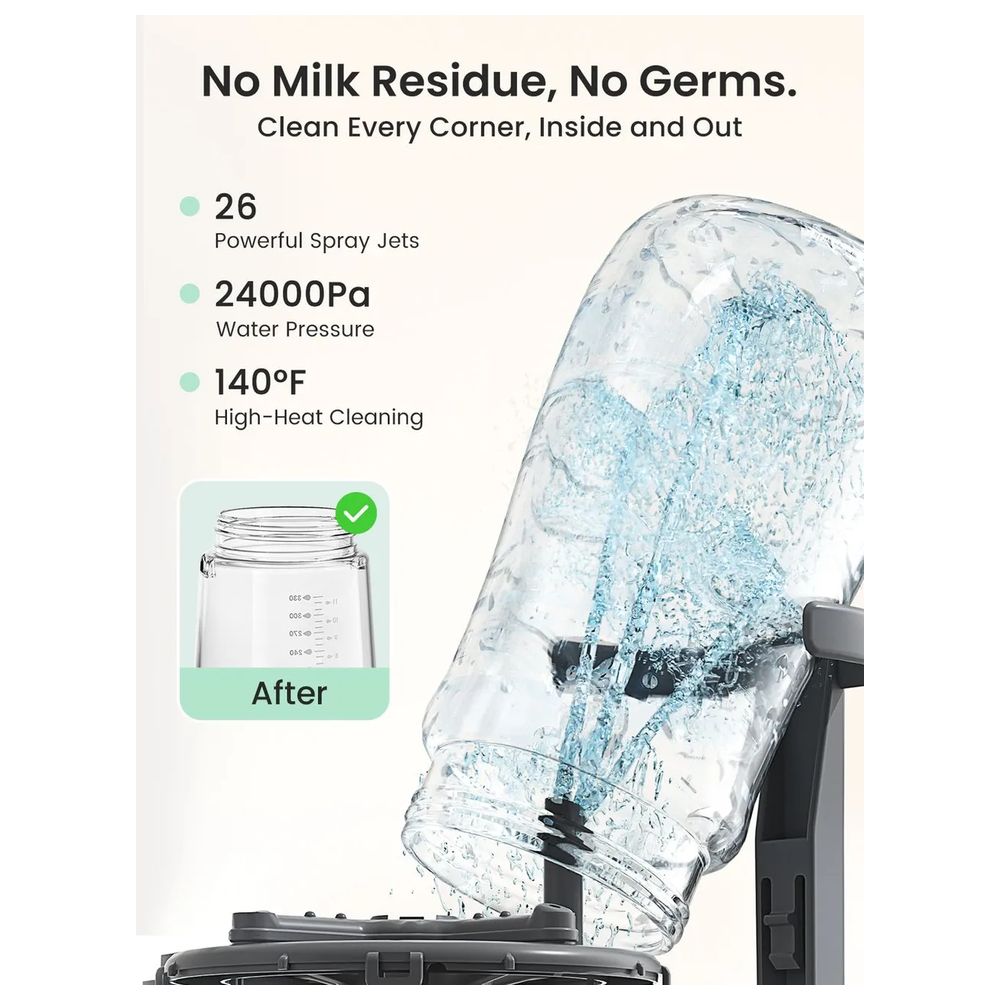
Sterilise Bottles First: Before the first use and daily thereafter, you must sterilise bottles and nipples. You can use steam baby bottle sterilization methods or boil them in water for at least 10 minutes.

Wash Your Hands: Always wash your hands with soap and water for at least 40 seconds before handling bottle feeding equipment or preparing milk.

Fresh Water: Use bottled water or tap water that has been boiled and allowed to cool to no less than 70°C before mixing. This temperature is necessary to kill any potential bacteria in the powder.

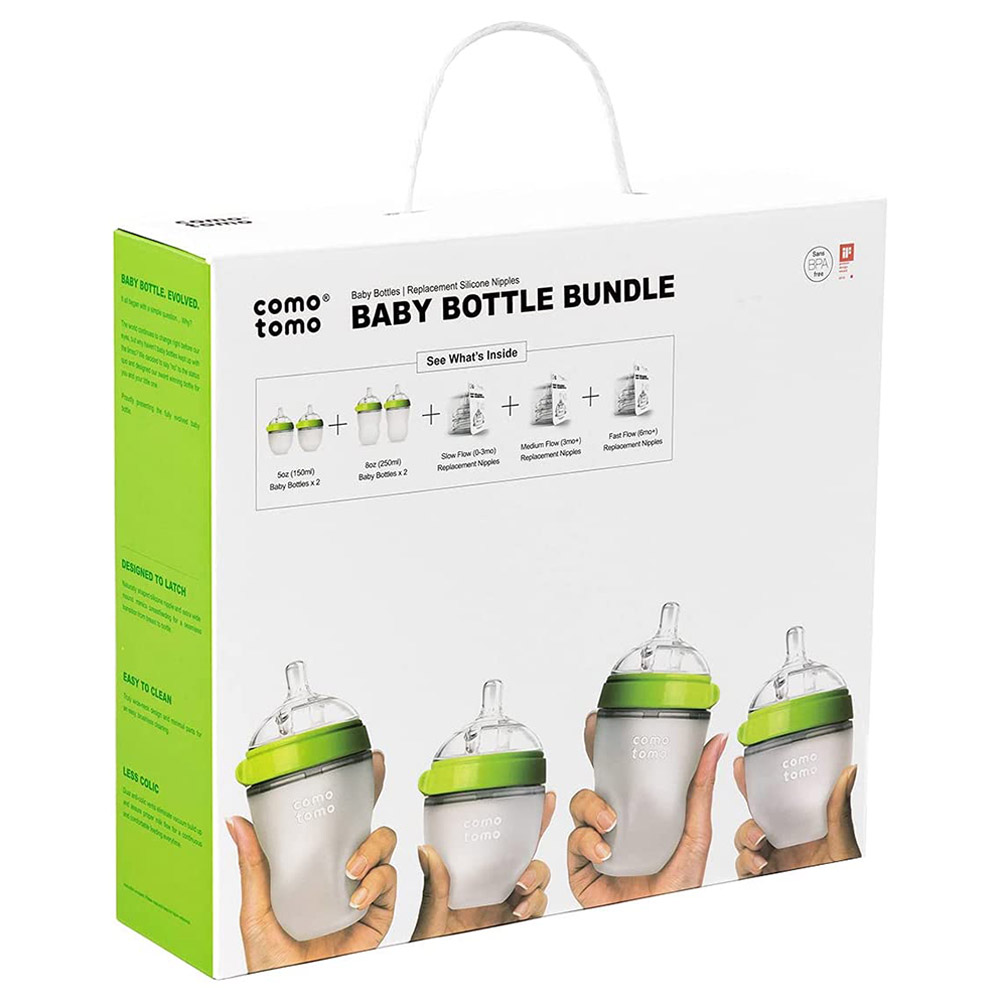
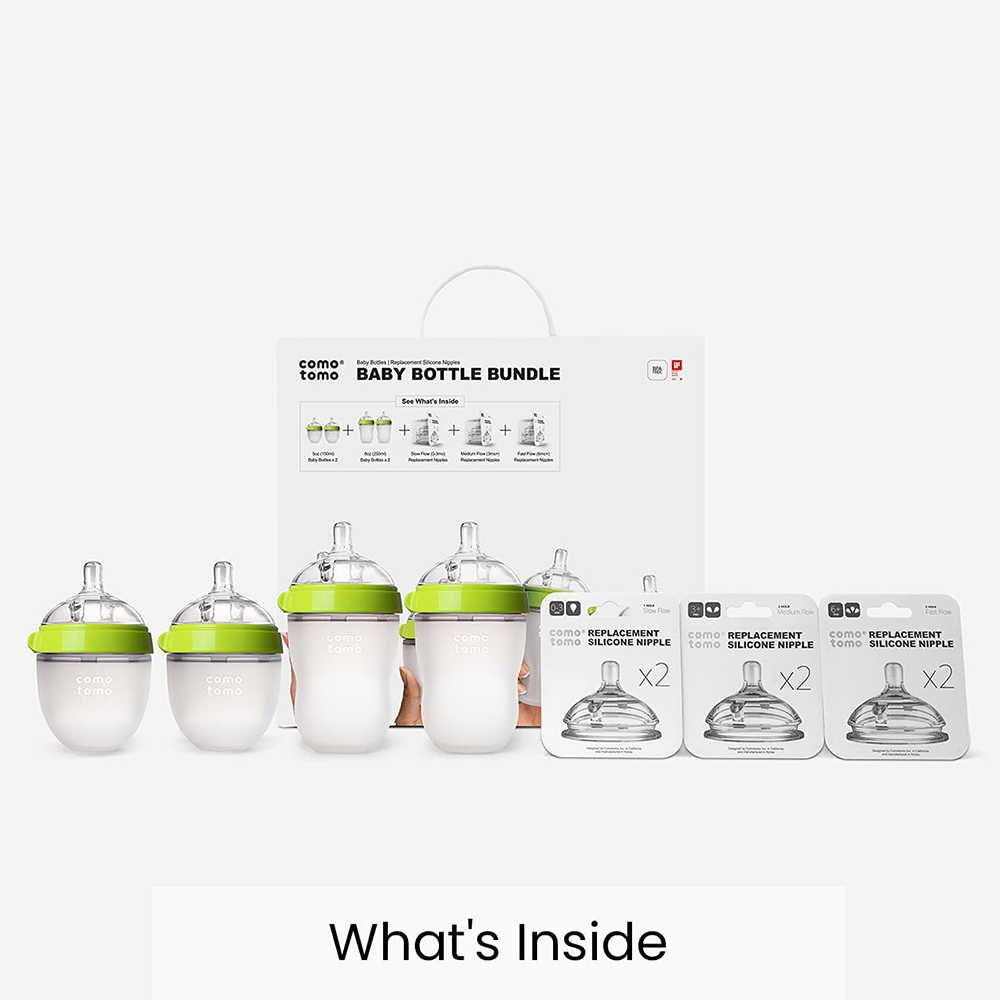
Material Choice: Many KSA parents prefer glass vs. plastic baby bottles. While glass is easy to sterilise and eco-friendly, BPA-free bottle feeding supplies made of plastic or silicone baby bottles and nipples are popular for their lightweight and "unbreakable" nature.

Mastering the Bottle Feed Your Baby Technique

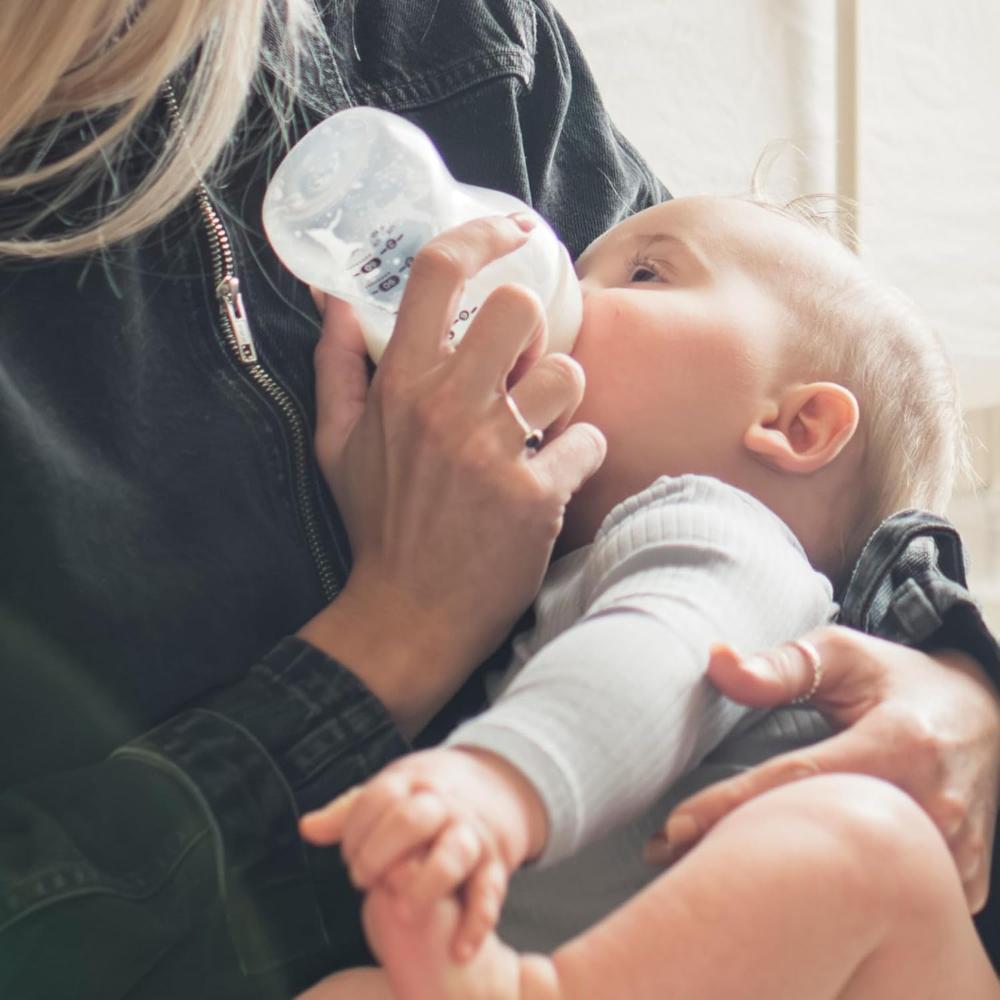
How you hold the bottle and your baby matters. Proper technique prevents discomfort and long-term health issues.

1. The Right Position

Never feed a baby while they are lying flat. Hold your baby close in a semi-upright position (at least a 45-degree angle). This is one of the most effective infant feeding positions for reflux, as it helps the milk settle. Supporting their head and neck in the crook of your arm also encourages eye contact, which is vital for bonding.

2. Bottle at an Angle

Hold the bottle at an angle so that the nipple remains completely full of milk. If the nipple is only partially full, your baby will swallow air, leading to painful gas and fussiness.

3. Paced Bottle Feeding Technique

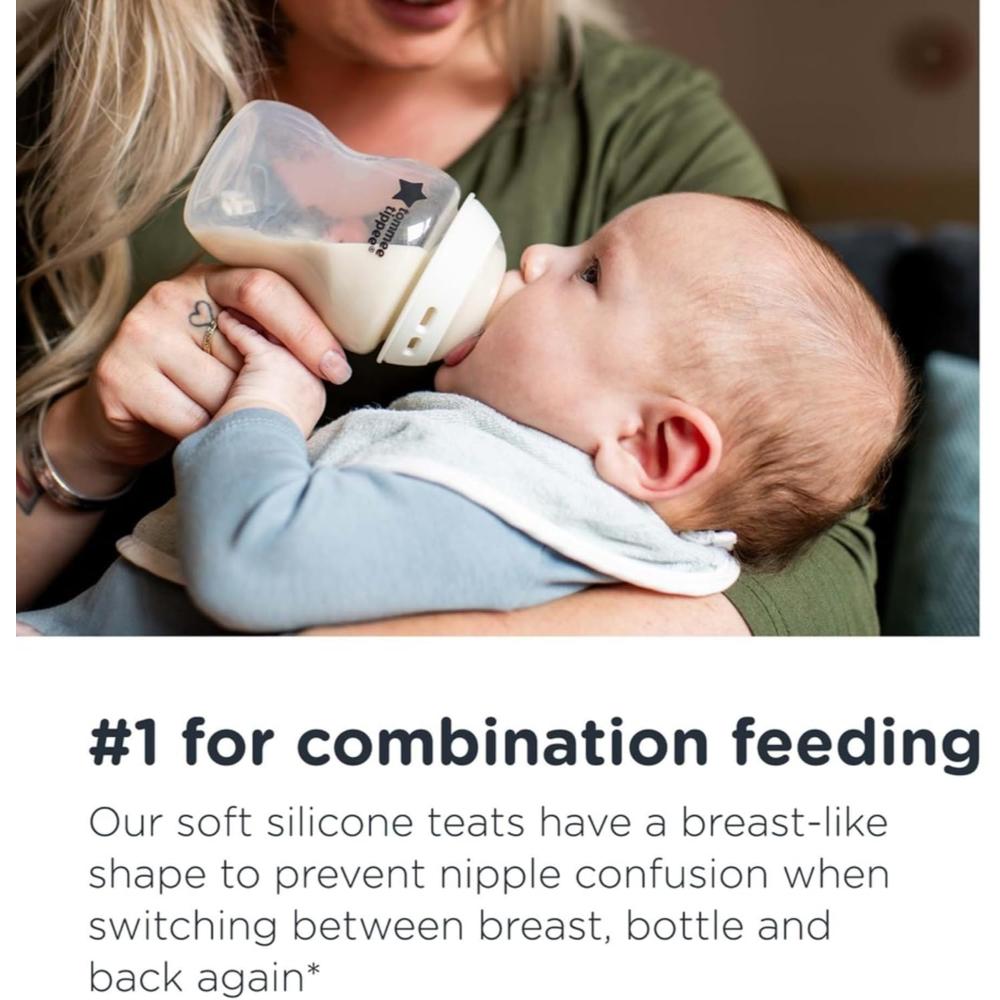
If you are bottle feeding a breastfed baby, using the paced bottle feeding technique is essential. By holding the bottle horizontally and allowing the baby to take frequent breaks, you mimic the natural flow of the breast. This is the best way of preventing nipple confusion and ensuring the baby doesn't drink too much too quickly.

Formula Preparation and Safety Guidelines

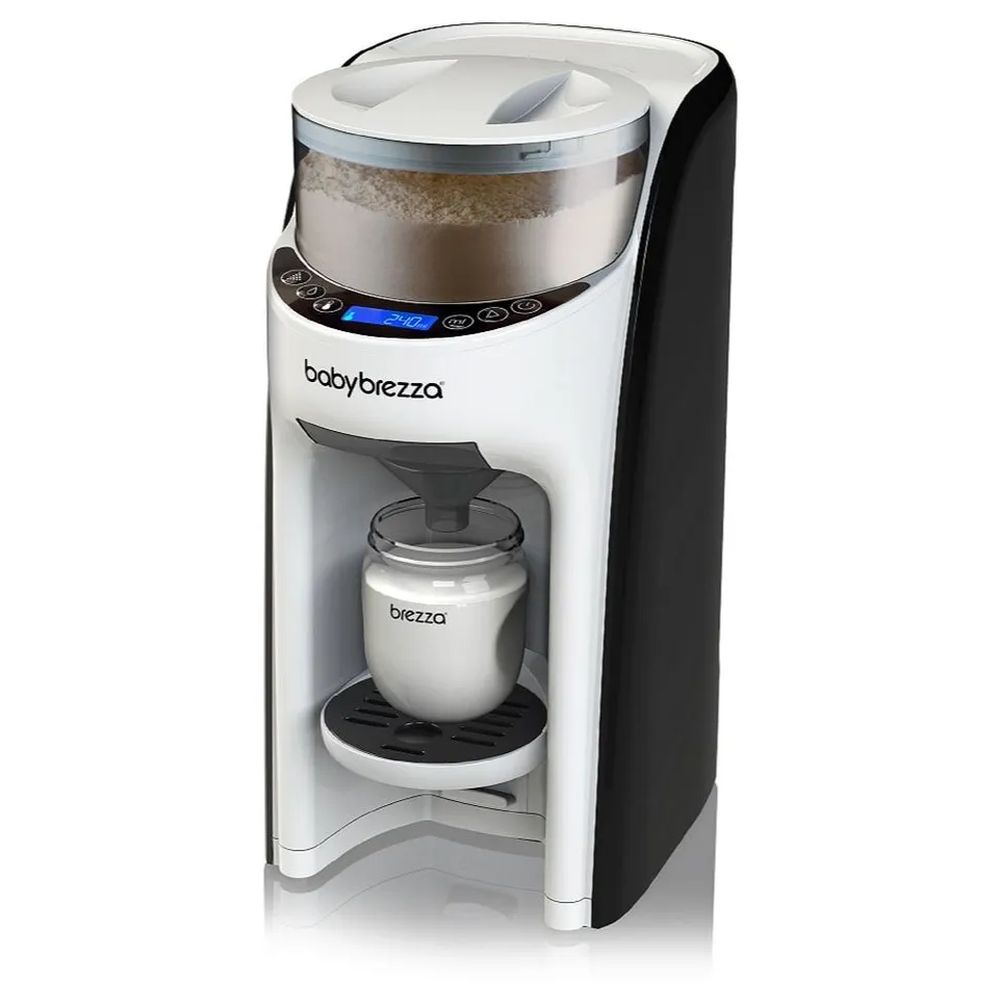
Mixing infant formula requires precision. Always follow the specific instructions on the tin, as ratios vary between brands.

Correct Ratios: Use the scoop provided and level it off with a clean knife. Never add extra powder, as this can lead to dehydration, or extra water, which can result in malnutrition.

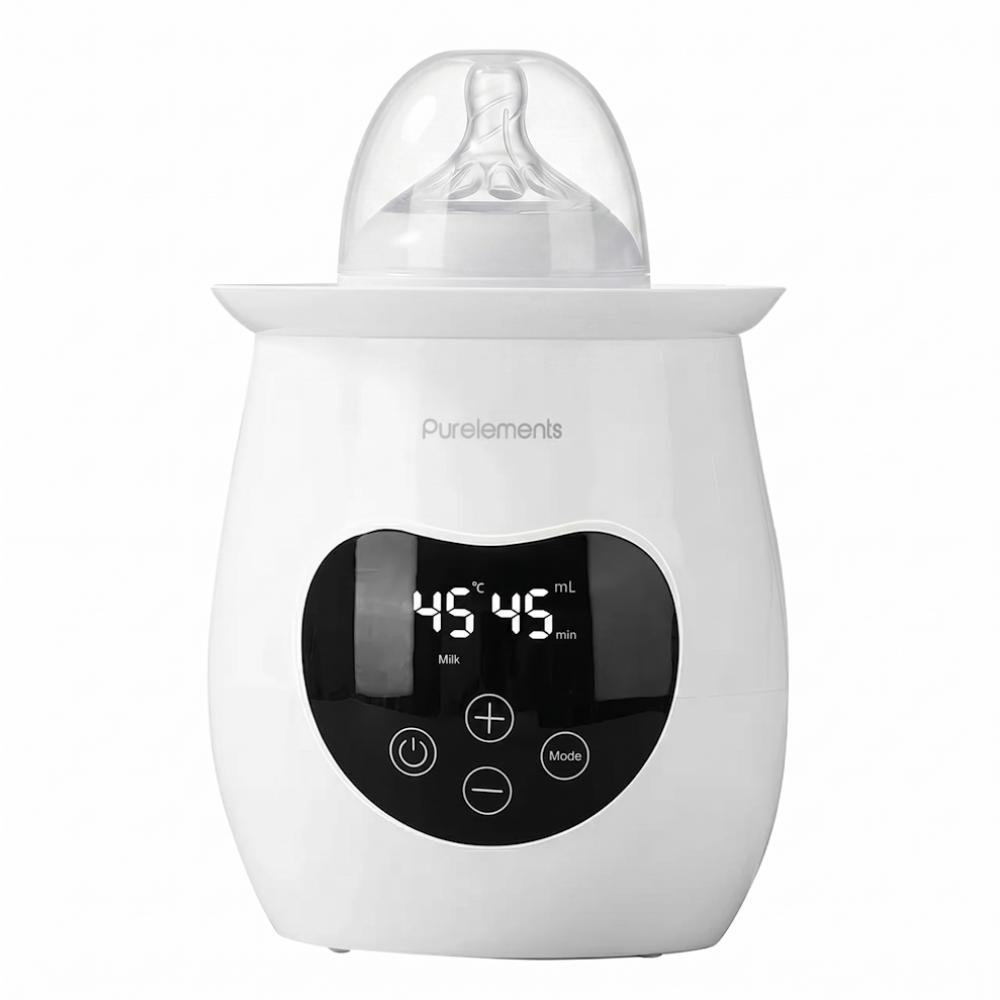
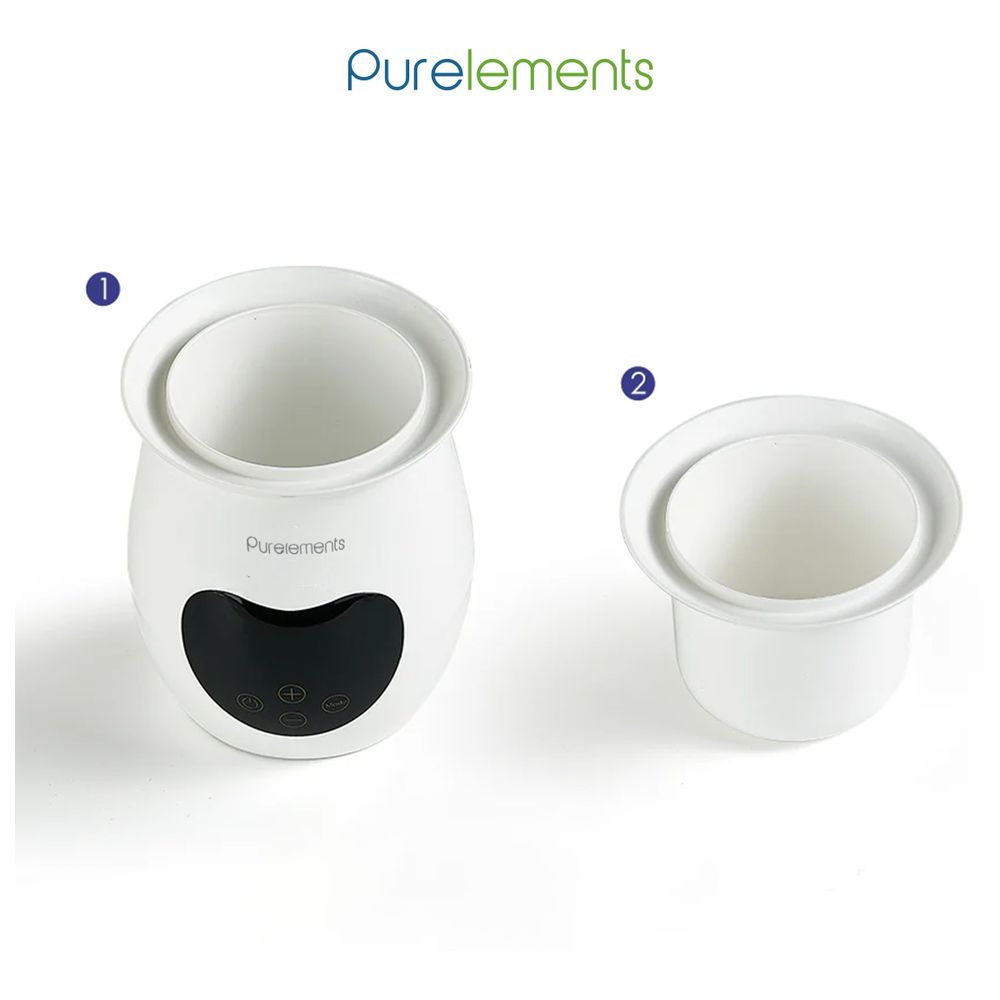
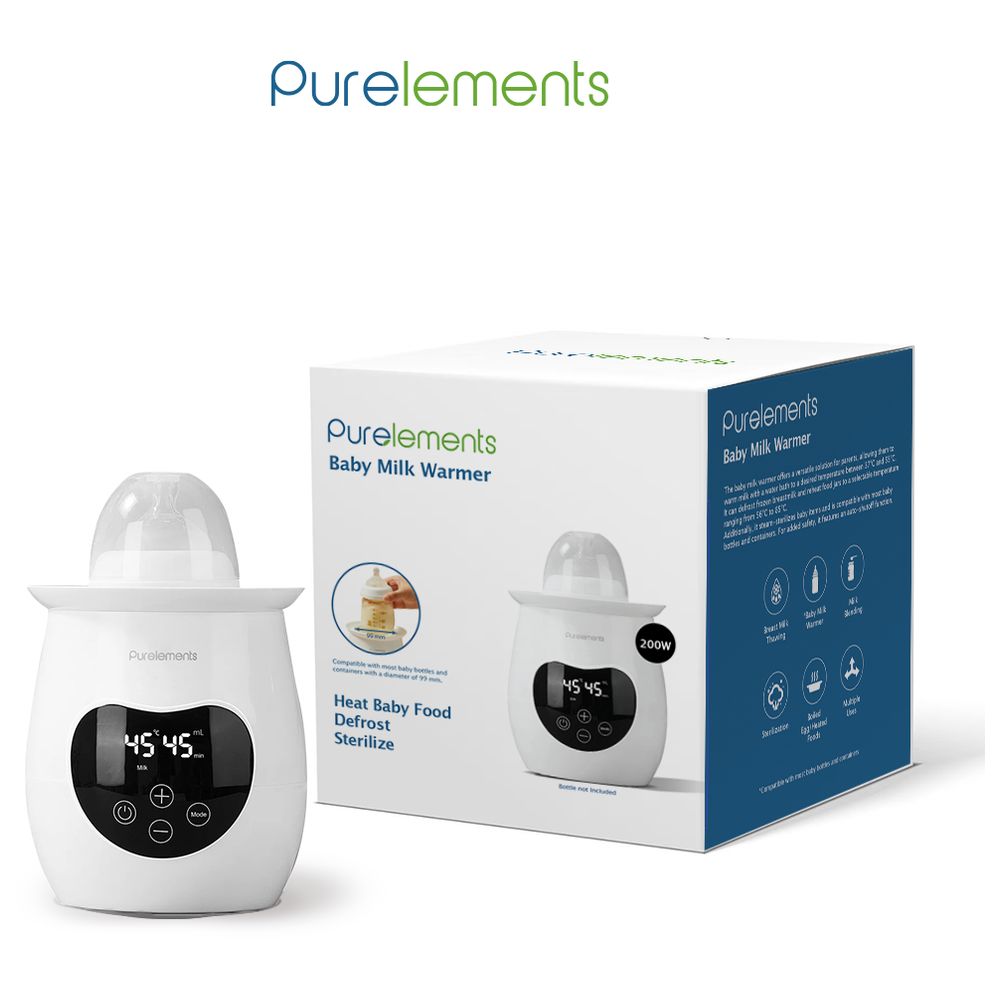
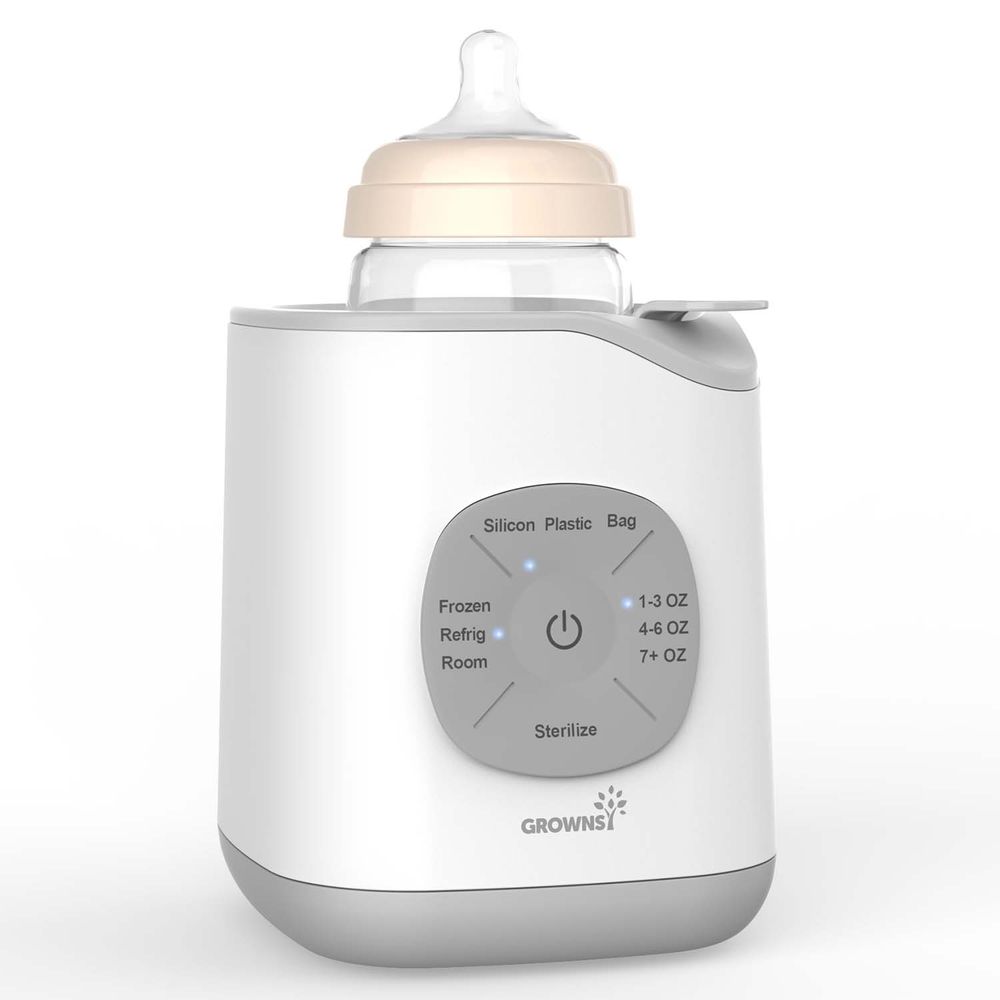
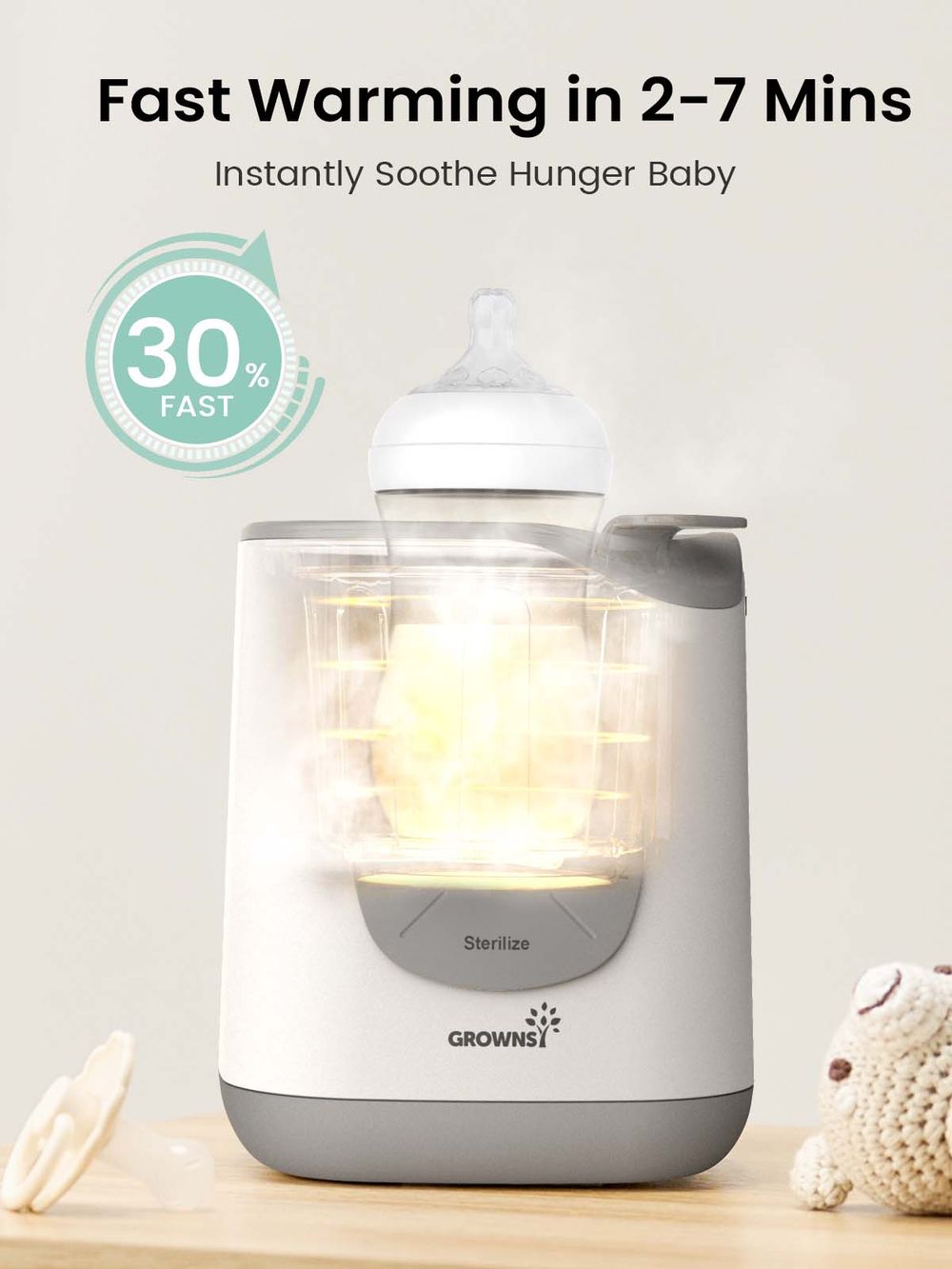
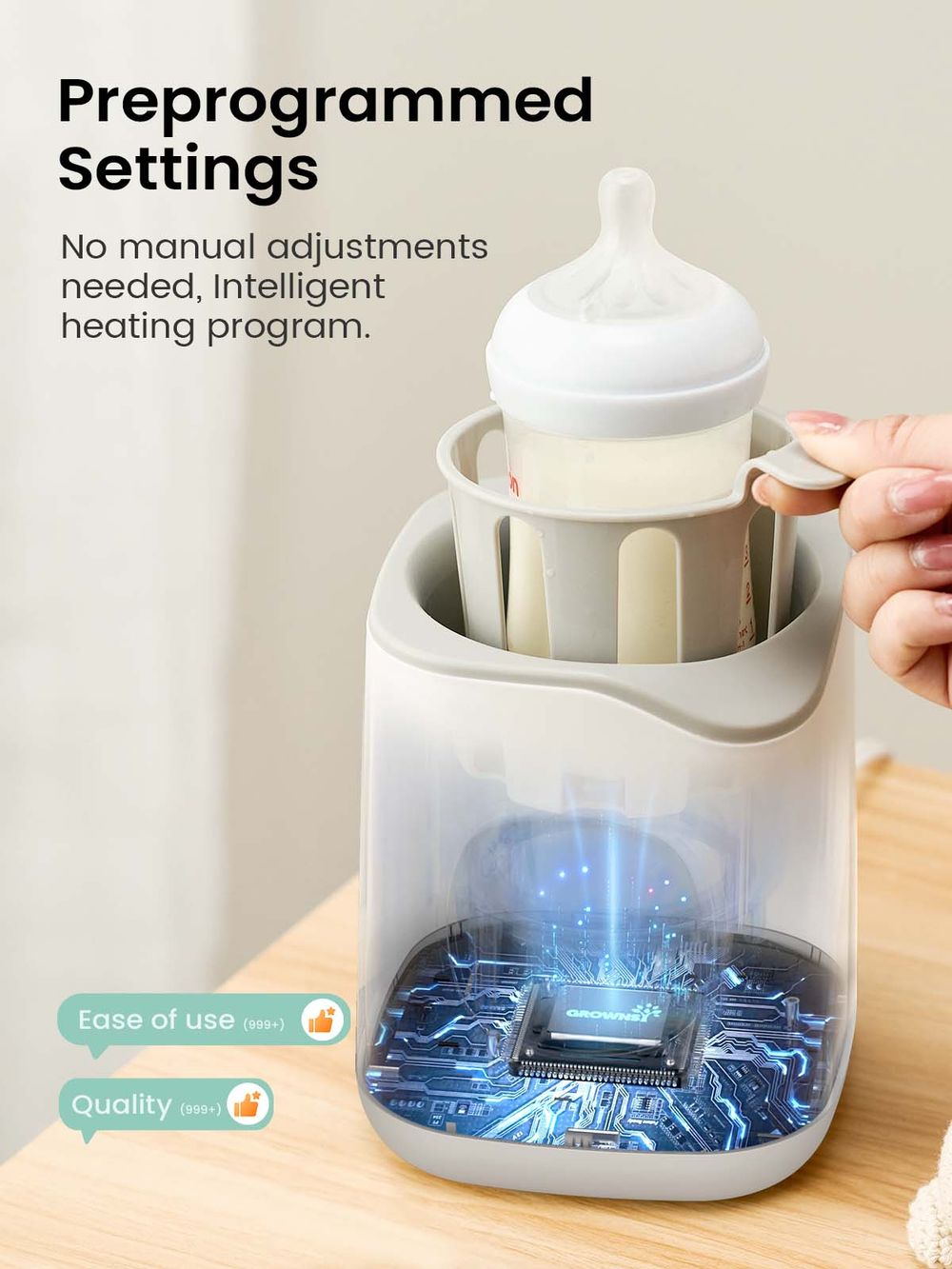
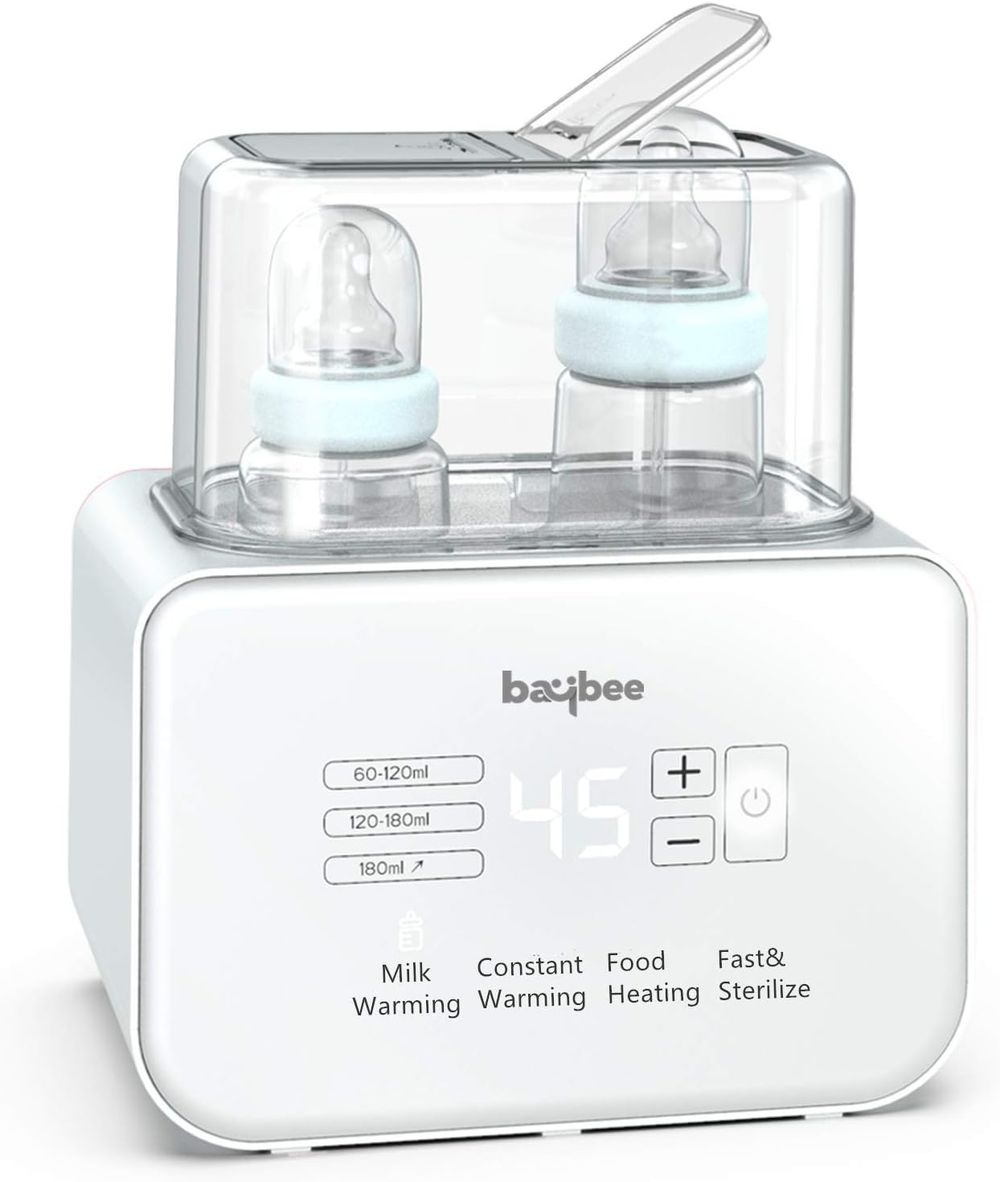
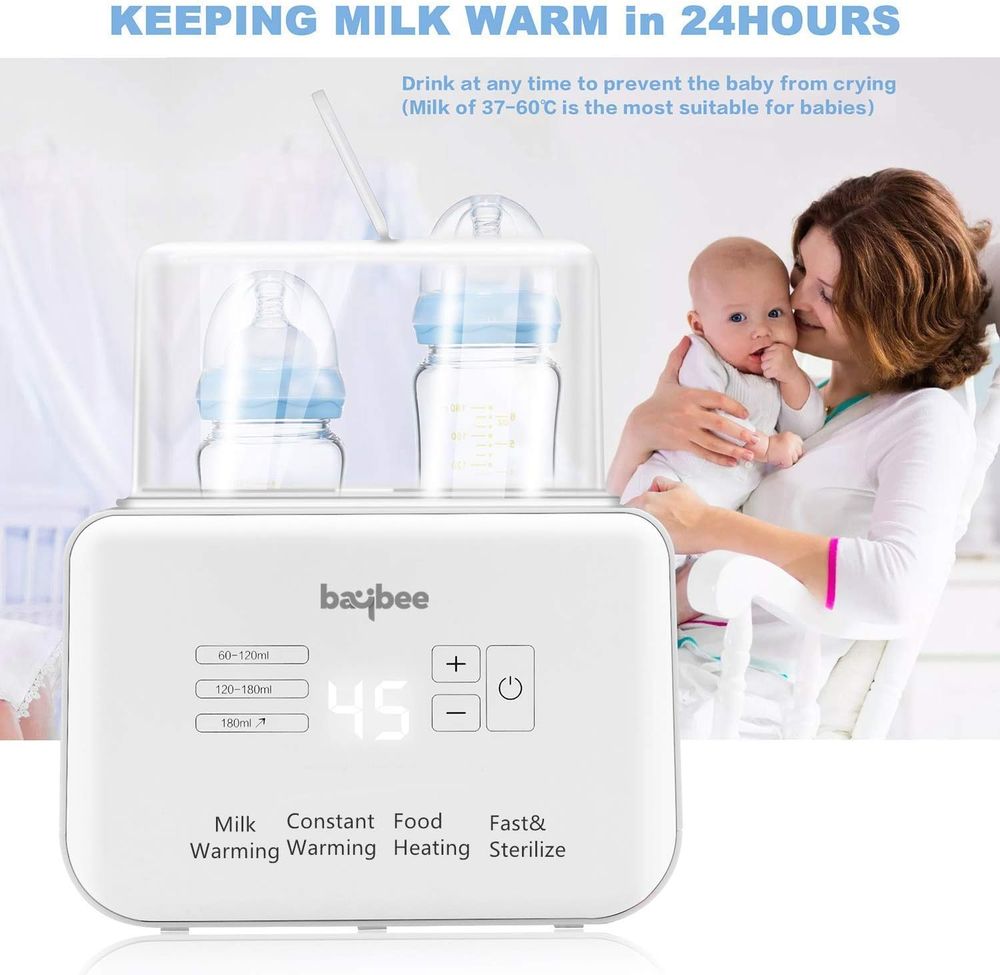
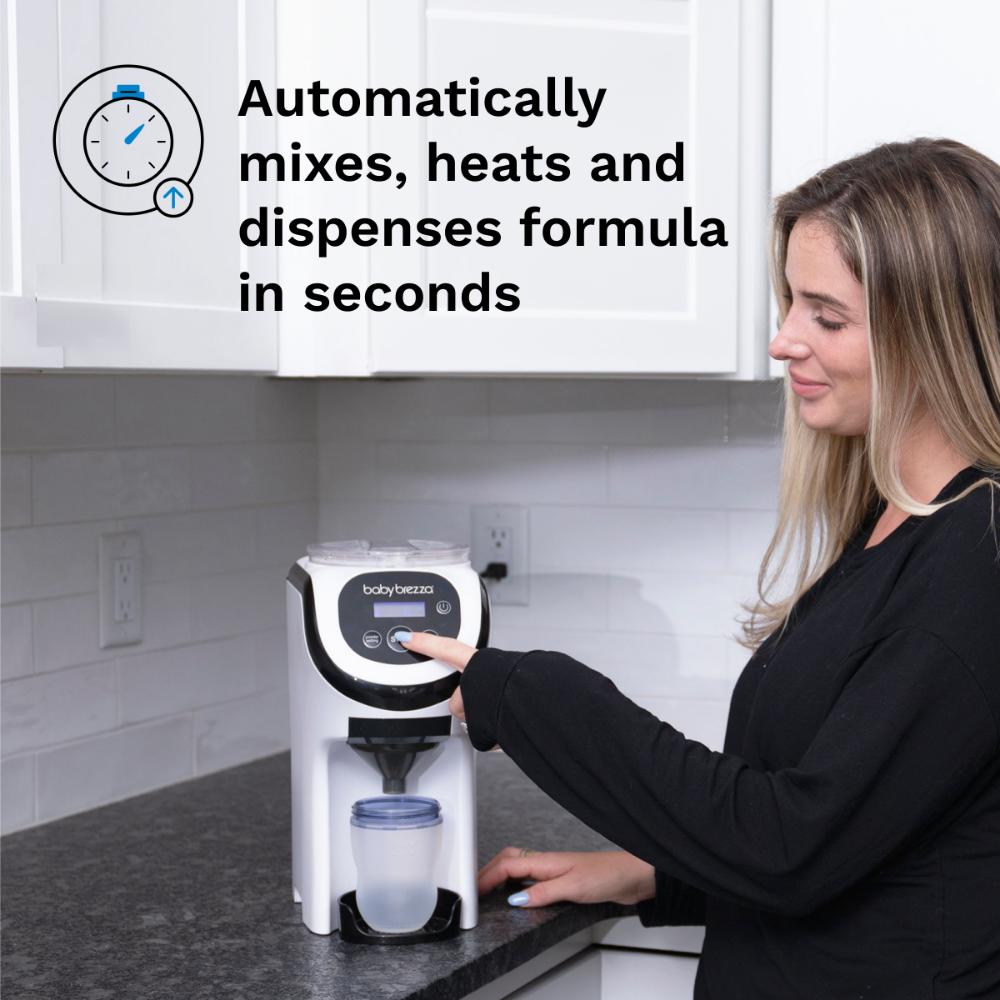
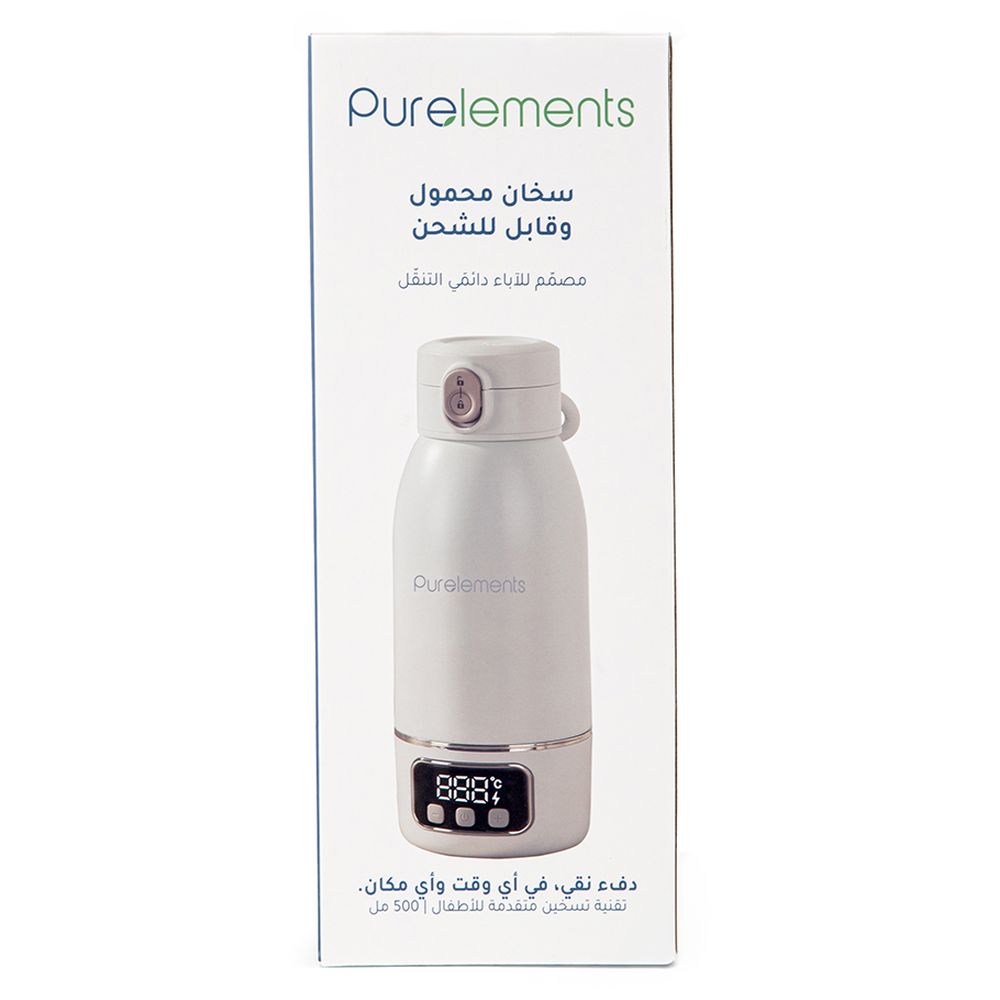
Avoid the Microwave: Never use a microwave for breast milk storage and warming. Microwaves create "hot spots" that can burn your baby’s mouth. Instead, use the best portable bottle warmers or a bowl of warm water.

Testing: Always test the temperature on your inner wrist before the baby eats.
Health Risks: What Every Saudi Parent Should Know


Ear Infections and Tooth Decay: Never put your baby to bed with a bottle or leave them to fall asleep while sucking. Milk pooling in the mouth while the baby is in bed with a bottle is a leading cause of early childhood tooth decay. Furthermore, feeding while lying flat can cause milk to enter the ear canal, leading to ear infections.
Overfeeding Signs in Bottle-Fed Infants: Unlike breastfeeding, it is easier to overfeed with a bottle. Watch for signs that your baby has had enough—such as turning their head away, pushing the bottle, or falling asleep. Never force them to finish the bottle.
Signs of Hunger in Newborns: Look for rooting, smacking lips, or sucking on hands. Feeding when these early signs appear makes for a much calmer experience than waiting for the baby to cry.

Transitioning and Post-Feeding Care

After your baby eats, it is time to how to burp a bottle-fed baby. Hold them upright against your shoulder and gently pat their back. Burping 2-3 times during a feed can also help if your baby is prone to gas. As your child grows, start transitioning from bottle to cup at around 6 months. By 12 months, the MOH recommends that babies move away from bottles entirely to protect their dental health.

Frequently Asked Questions (FAQs)

Q1: How do I manage bottle feeding a breastfed baby in KSA?

The key is preventing nipple confusion. Use slow flow bottle nipples for newborns and the paced bottle feeding technique. It also helps if the father or another caregiver offers the bottle initially, as the baby associates the mother with the breast.

Q2: What are the best baby bottle sterilization methods for the Saudi climate?

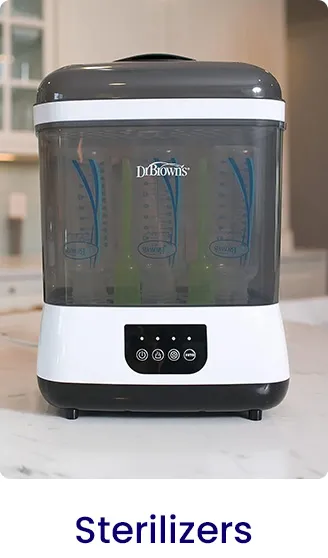
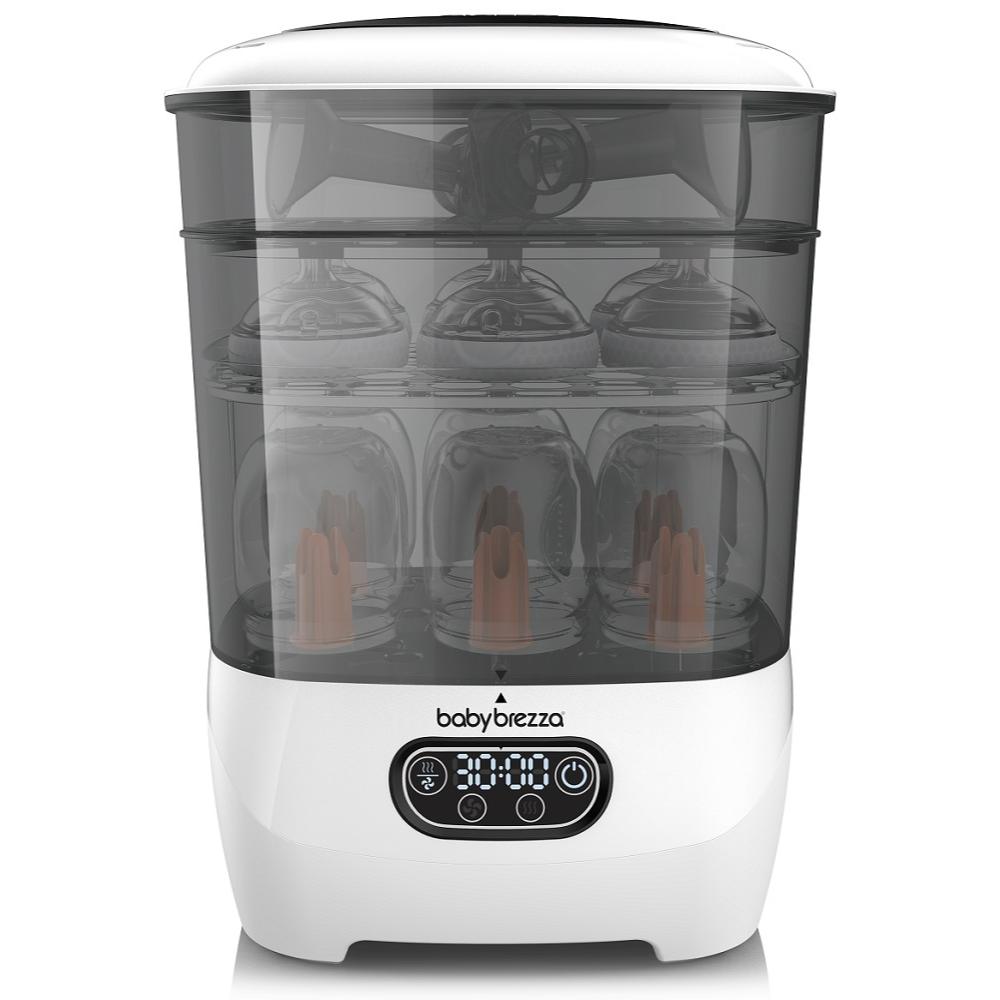
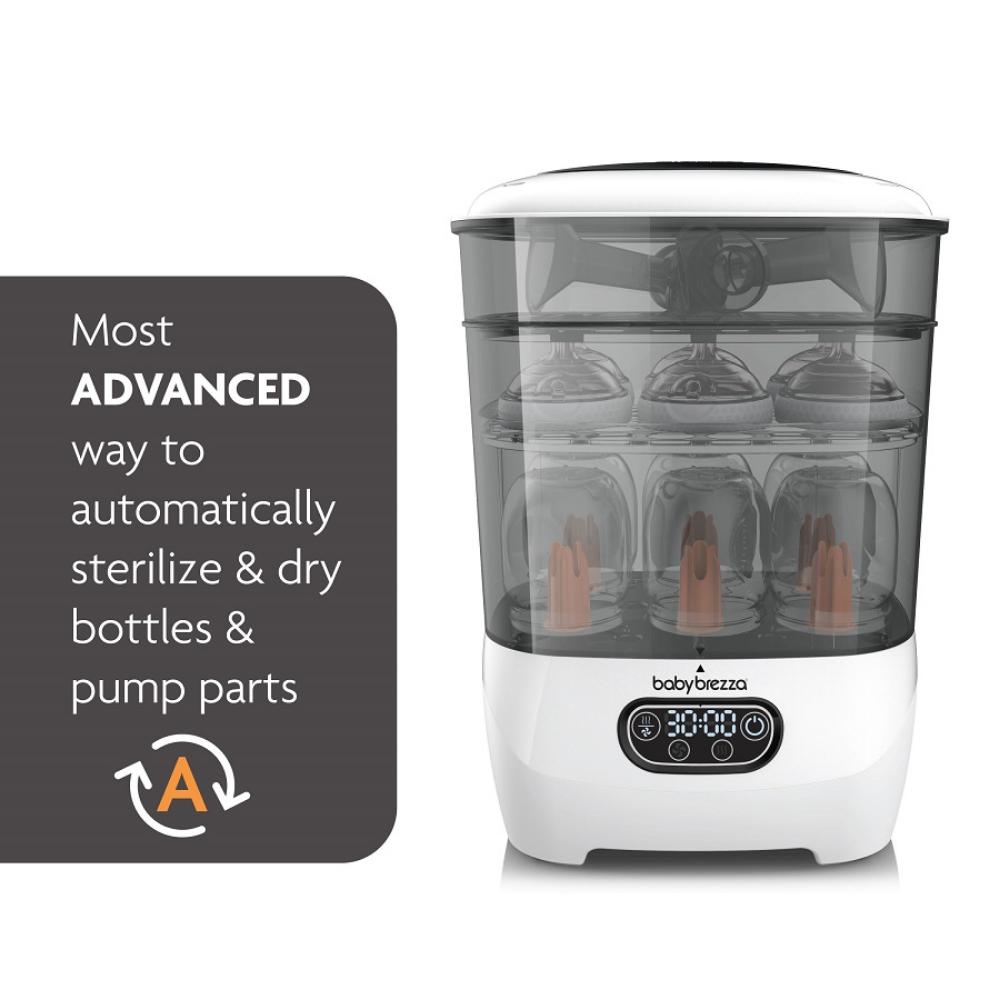
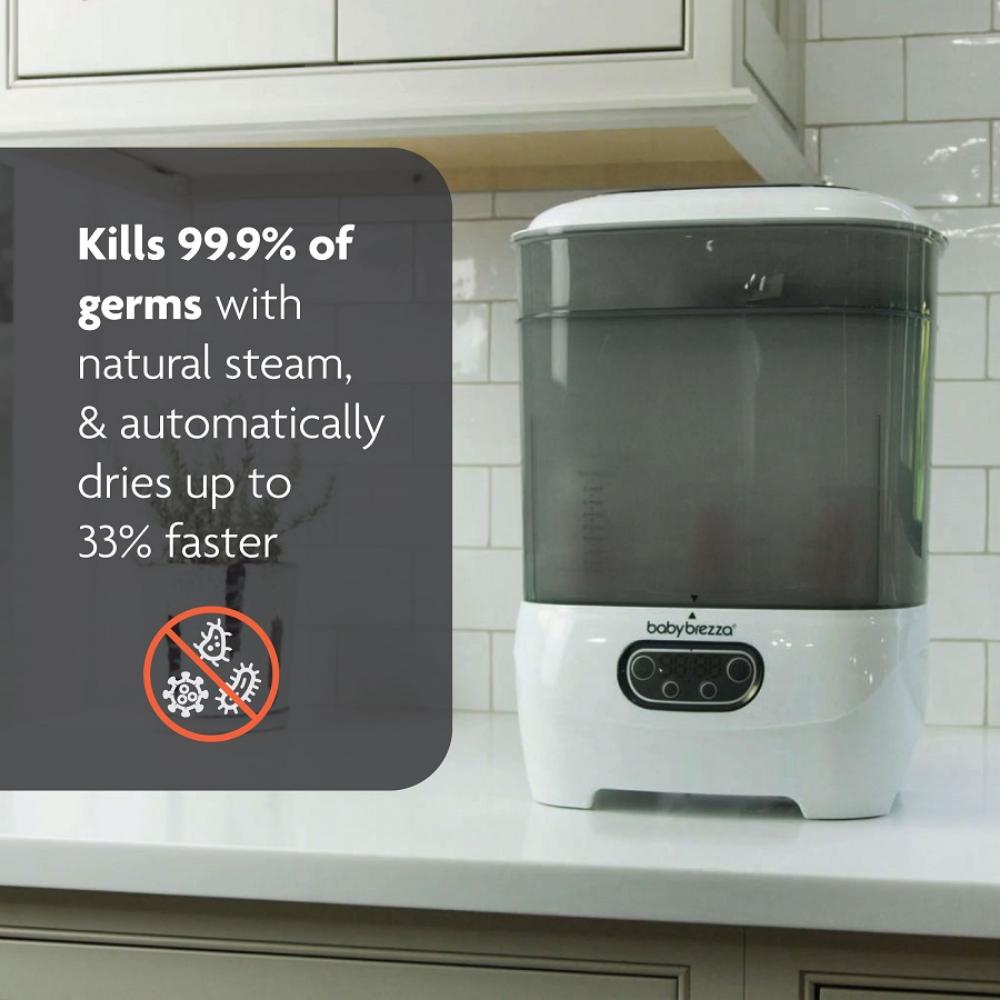
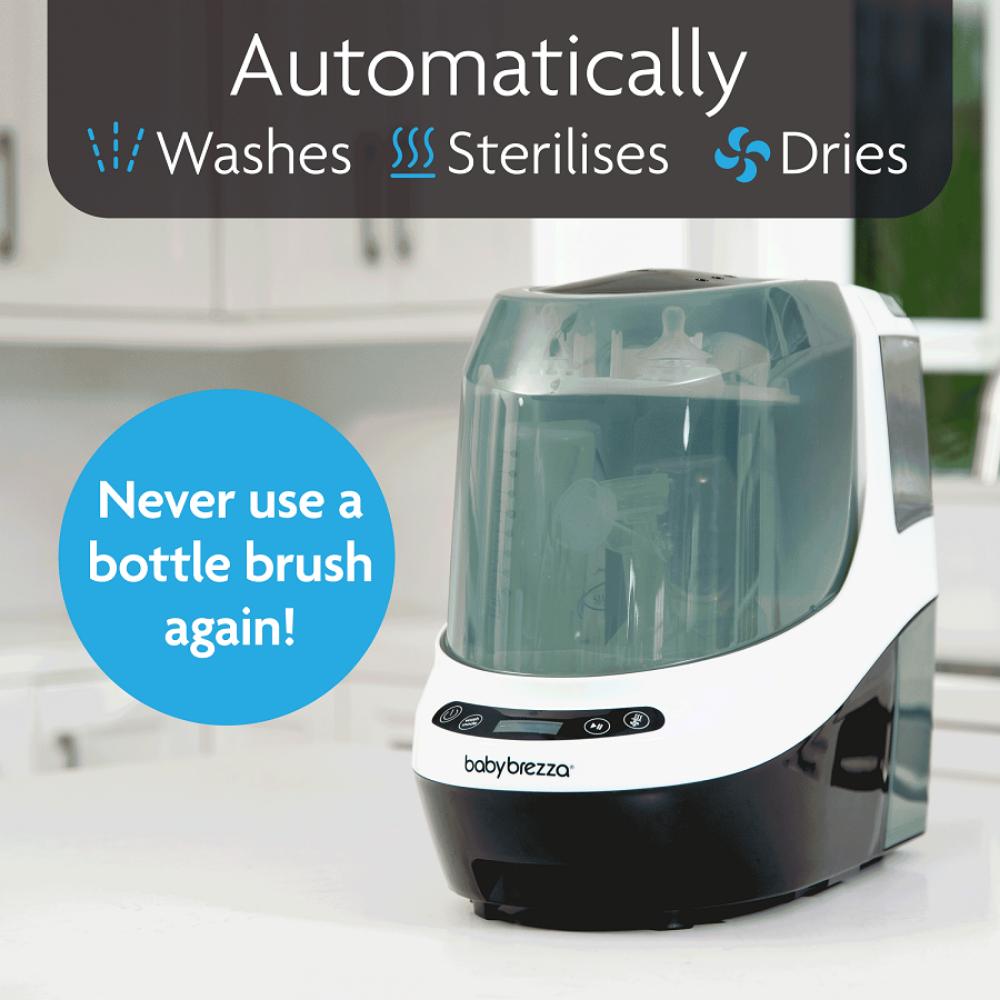
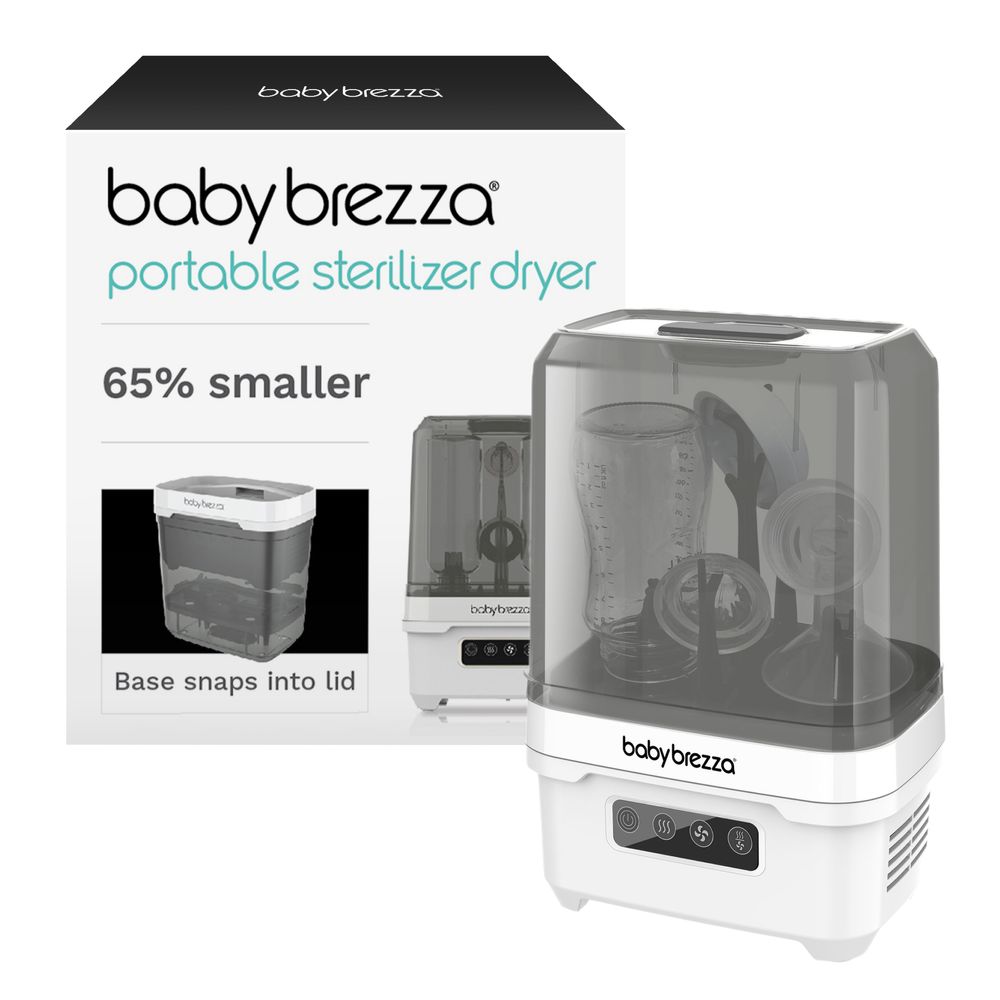
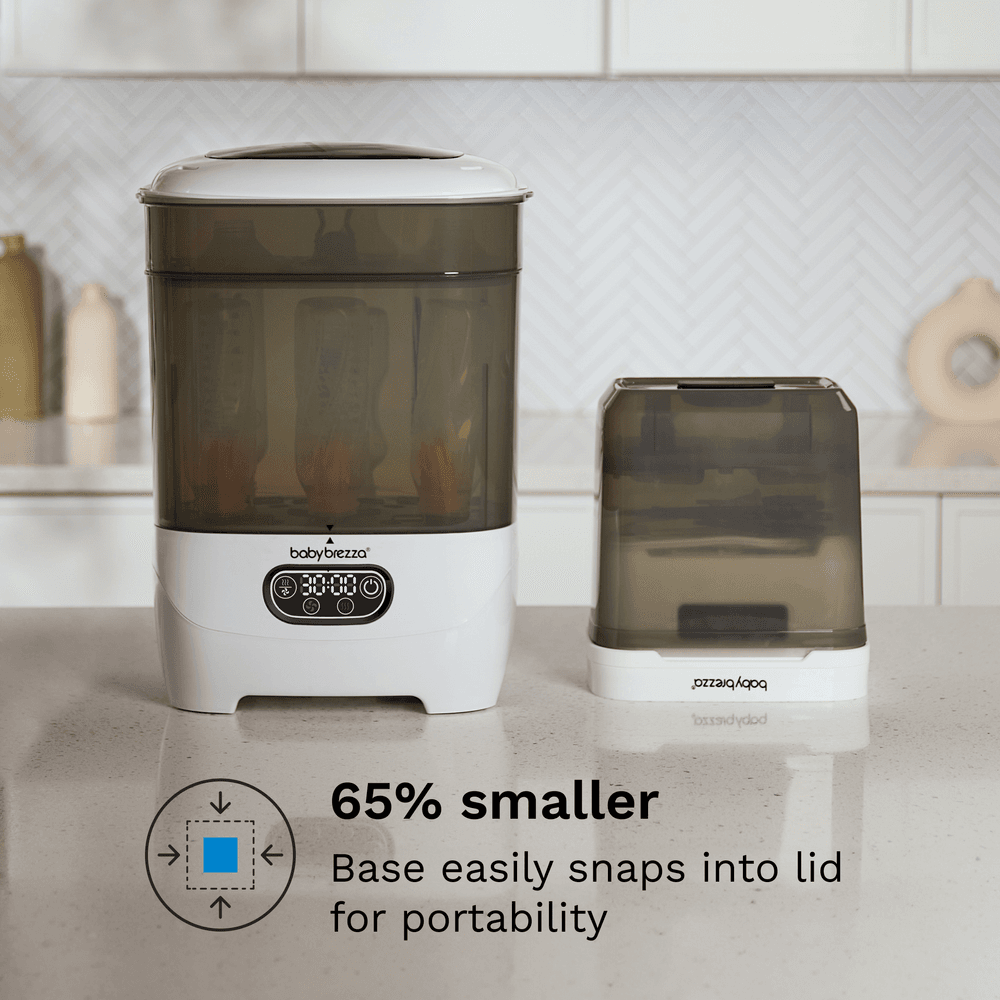
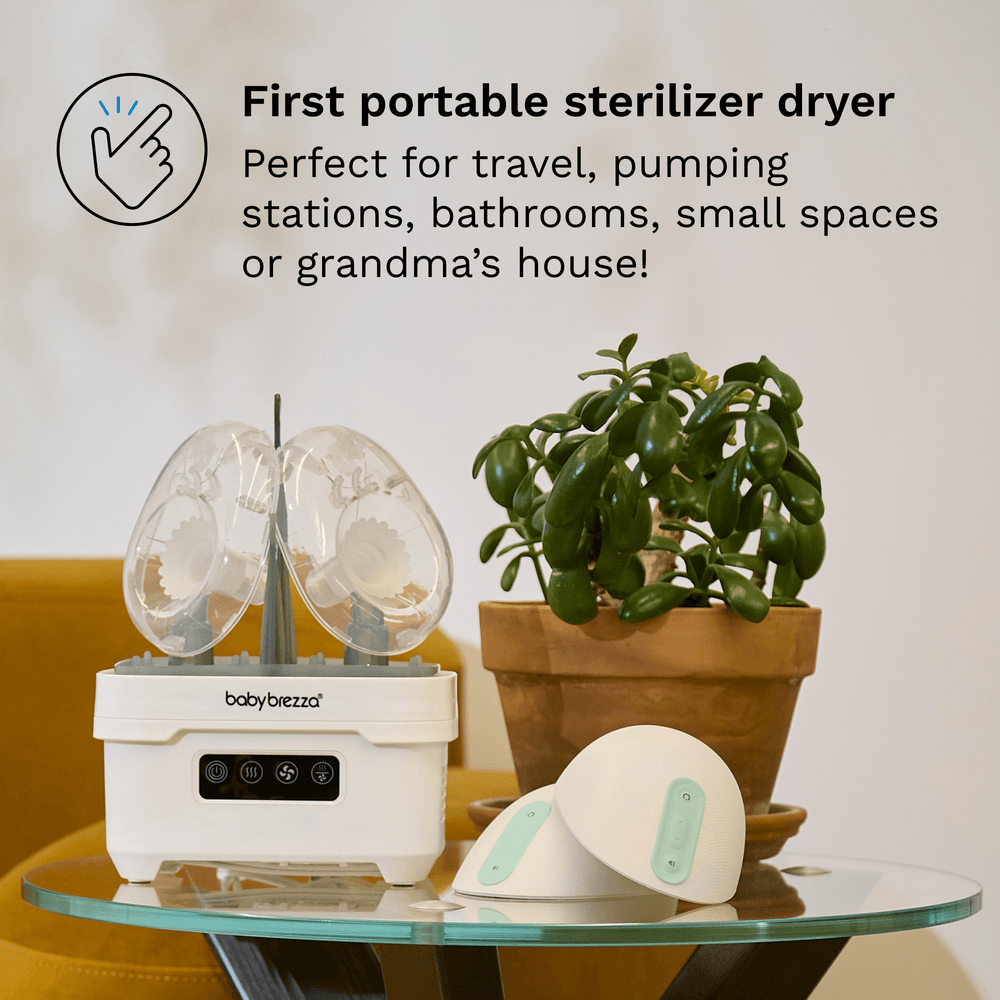
In our humid and warm environment, electric steam sterilisers that also include a drying function are highly recommended to prevent any mold or bacterial growth on damp bottles.

Q3: Which are the best anti-colic baby bottles?

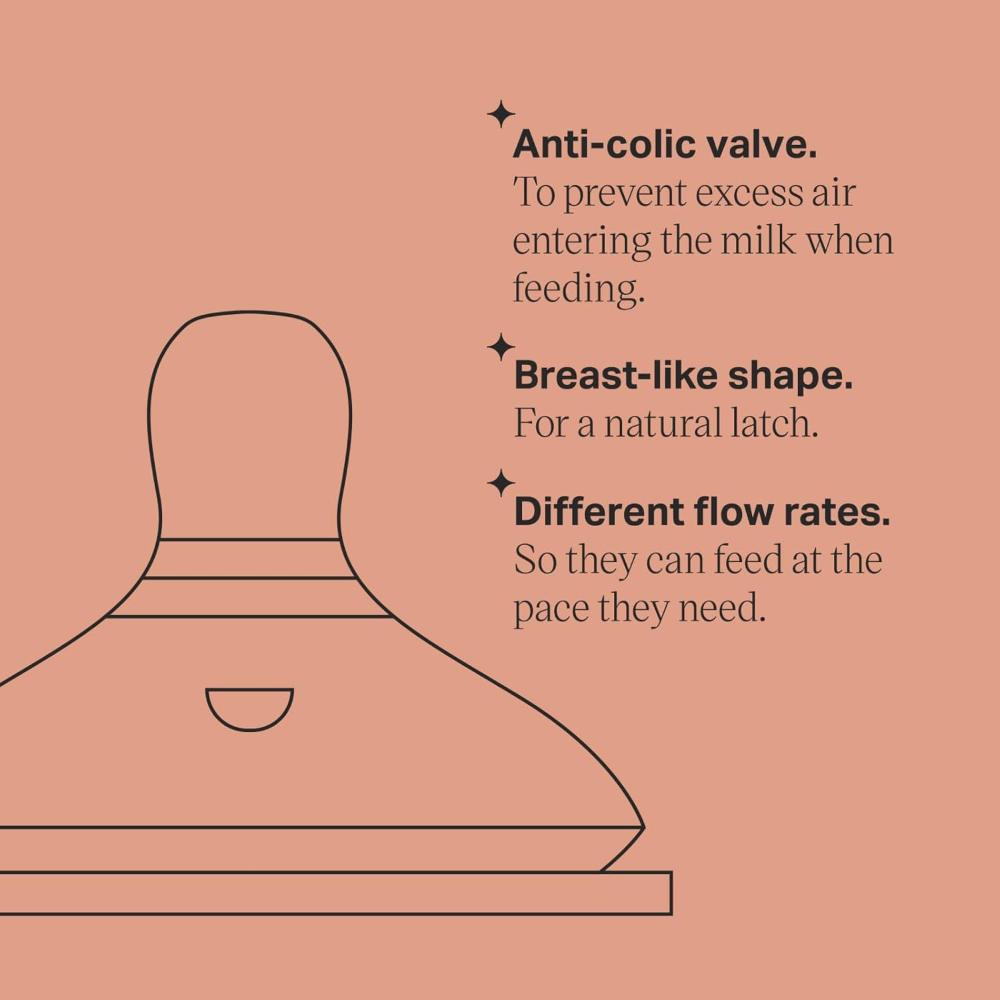
Look for bottles with internal vent systems or specialized valves that ensure the baby sucks milk, not air. Brands like Dr. Brown's and Philips Avent are highly rated for this.

Q4: How should I handle breast milk storage and warming?

Expressed milk can be stored in the fridge for up to 4 days or the freezer for 6 months. When warming, use a bowl of warm water and avoid boiling it, as high heat destroys the nutrients.

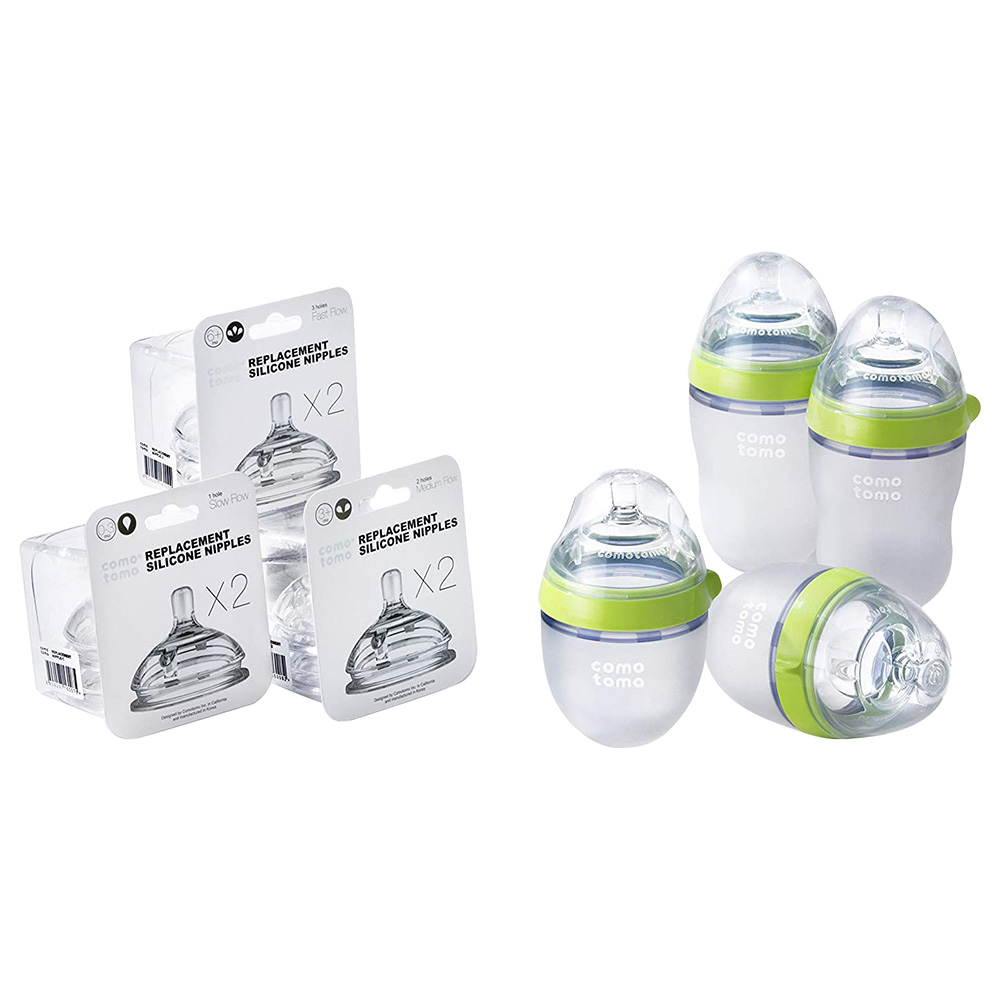
Q5: When should I change baby bottle nipple stages?

Refer to a baby bottle nipple stages guide, but watch your baby's cues. If they are taking more than 20 minutes to finish a feed or seem frustrated, it may be time to move up from a slow flow bottle nipple.